
If you’ve ever felt a sharp, shooting pain down your arm or leg — or maybe a strange numbness or tingling that just won’t quit — there’s a good chance a pinched nerve might be behind it. It’s one of the most common complaints we hear about here in Charlotte, NC, and understandably, one of the first questions people ask is: will this go away on its own? The honest answer is: sometimes yes, sometimes no — and knowing the difference matters a great deal for your long-term health and comfort. In this article, Dr. Jesse Czajka at Feel Good Chiropractic And Wellness wants to walk you through everything you need to know about pinched nerves, how they heal, and when it’s time to seek professional support.
What Is a Pinched Nerve?
A pinched nerve occurs when surrounding tissues — such as bones, discs, cartilage, or muscles — apply too much pressure to a nerve, disrupting its normal function. This pressure interferes with the nerve’s ability to send and receive signals, which is why pinched nerves can cause such a wide variety of sensations, including pain, numbness, tingling, or weakness. Pinched nerves can happen anywhere in the spine or extremities, though the neck (cervical spine) and lower back (lumbar spine) are the most commonly affected areas.
Can a Pinched Nerve Heal on Its Own?
This is the question most people are quietly hoping to get a clear answer to — and the good news is that many pinched nerves can improve without surgical intervention. In fact, for mild to moderate cases, the body’s natural healing processes, combined with rest, movement modification, and conservative care, are often enough to bring meaningful relief.
That said, healing timelines vary widely. A minor pinched nerve caused by temporary inflammation or an awkward sleeping position might resolve within a few days to a couple of weeks. On the other hand, if the compression is caused by a herniated disc, bone spur, or significant structural problem in the spine, recovery can take weeks to months — and in some cases, the nerve compression may not fully resolve without professional care.
The key variables that influence whether a pinched nerve heals on its own include how long the nerve has been compressed, the severity of the pressure, the underlying cause, and your overall health. Age, activity level, and postural habits also play a role. This is why Dr. Jesse Czajka always recommends getting a proper evaluation rather than simply waiting and hoping for the best — especially if symptoms are persisting or getting worse.
One important point worth understanding: nerves heal slowly. Even when the source of compression is addressed, the nerve itself may continue to send uncomfortable signals for some time during the recovery process. Patience is part of the picture, but so is proper management.
Common Causes of Pinched Nerves
Pinched nerves don’t usually appear out of nowhere. There’s almost always an underlying structural or lifestyle factor at play. Understanding the root cause is essential to knowing whether the issue is likely to resolve on its own or whether it needs professional attention.
One of the most frequent culprits is a herniated or bulging disc. The discs that sit between your vertebrae can shift or bulge outward under pressure, pressing directly against a nearby nerve root. This is very common in both the cervical spine (which can cause arm pain or numbness) and the lumbar spine (which can trigger sciatic-like symptoms down the leg).
Bone spurs — small bony projections that develop as a result of osteoarthritis or long-term joint stress — can also narrow the spaces where nerves travel, leading to compression. Repetitive motions at work or during recreational activities can cause inflammation and swelling around a nerve, particularly in areas like the wrist (carpal tunnel), elbow, or shoulder. Poor posture, especially prolonged forward head posture from desk work or device use, is another growing contributor we see frequently here in Charlotte.
In some cases, muscle tightness or spasm can also create enough tension around a nerve to cause compression symptoms. This is good news, in a sense — muscular causes tend to respond very well to conservative care like chiropractic treatment and therapeutic exercises.
Signs and Symptoms to Watch For
Pinched nerve symptoms can show up in some surprising ways, and they don’t always stay close to the source of the problem. That’s because nerves travel long distances through the body, so compression at one point can cause sensations far down the line. This is called referred pain, and it’s one of the reasons pinched nerves are sometimes misunderstood or misattributed to other conditions.
The most commonly reported symptoms include sharp or burning pain that radiates along the nerve pathway, numbness or a “pins and needles” feeling, weakness in the affected arm, hand, leg, or foot, and a sensation that a limb has “fallen asleep.” Some people also describe a deep ache that worsens with certain movements or positions, like turning the head or bending forward.
Cervical pinched nerves (in the neck) typically send symptoms into the shoulders, arms, and hands. Lumbar pinched nerves (in the lower back) tend to affect the buttocks, legs, and feet — this pattern, when running along the sciatic nerve, is often called sciatica. Symptoms that worsen over time, or that are accompanied by significant weakness, loss of bladder or bowel control, or difficulty walking, are red flags that require prompt medical evaluation.
How Chiropractic Care Can Help
Chiropractic care offers a non-invasive, drug-free approach to addressing the underlying causes of nerve compression — and it’s one of the most sought-after options for people in the Charlotte, NC area who want to avoid medication or surgery if at all possible.
At Feel Good Chiropractic And Wellness, Dr. Jesse Czajka takes a thorough, individualized approach to evaluating pinched nerve symptoms. Rather than treating symptoms in isolation, the focus is on identifying where the compression is originating from, what’s driving it, and what the best course of conservative care looks like for that specific person.
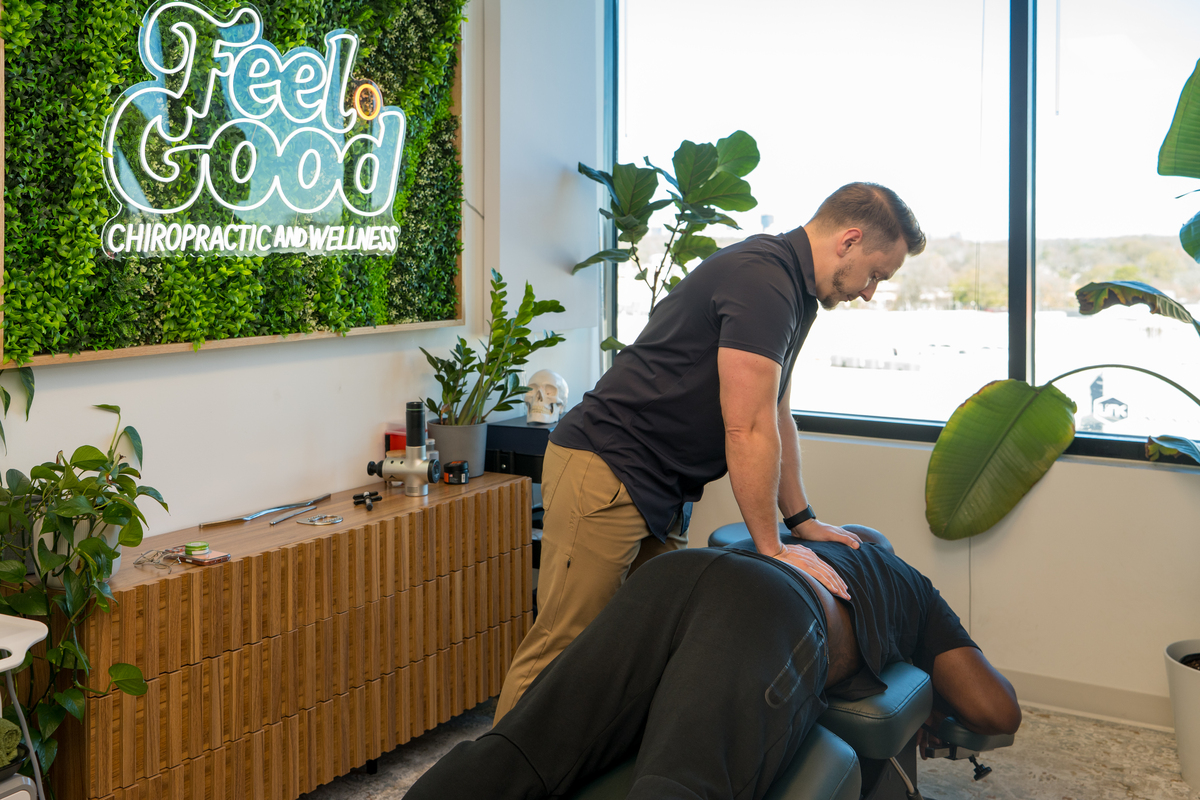
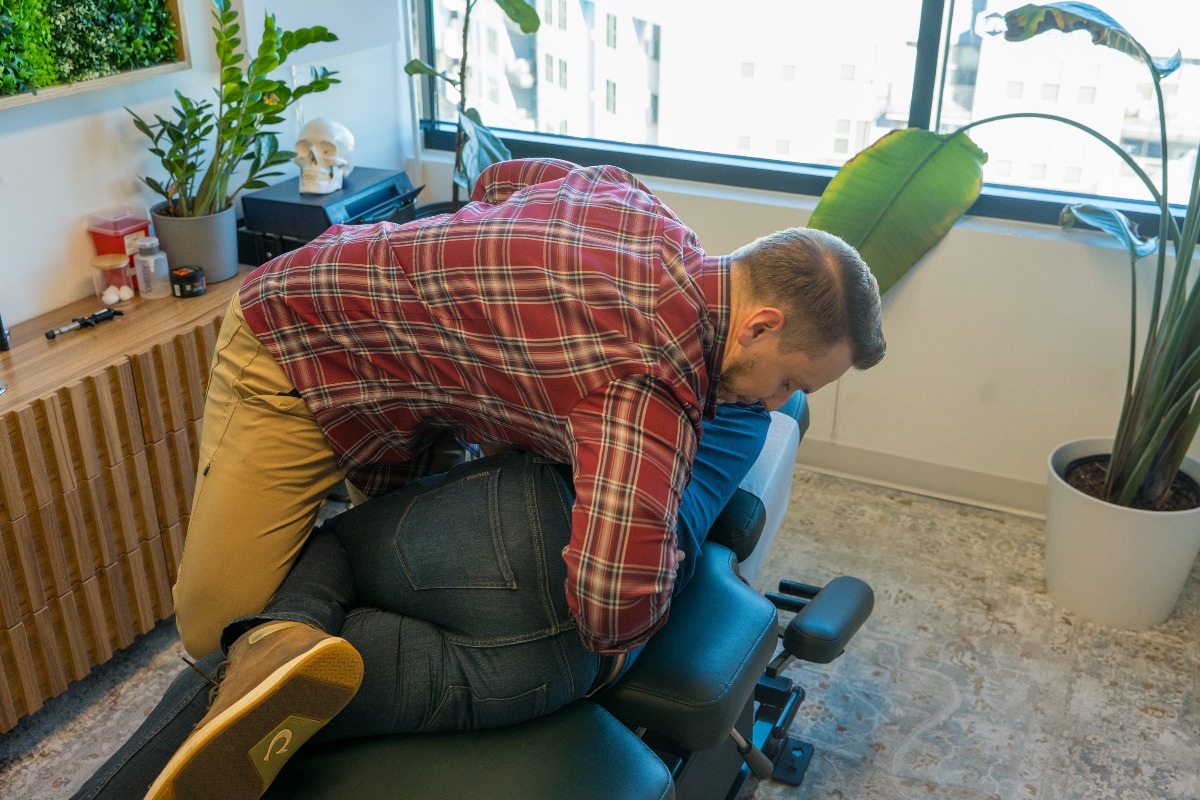
Chiropractic adjustments — also known as spinal manipulation — work by gently restoring proper alignment and movement to spinal joints. When vertebrae are misaligned or restricted, they can contribute to disc pressure and nerve compression. Research published in various peer-reviewed journals, including the Spine Journal, suggests that spinal manipulation can be an effective conservative option for conditions like cervical radiculopathy (pinched nerve in the neck) and lumbar disc-related nerve pain.
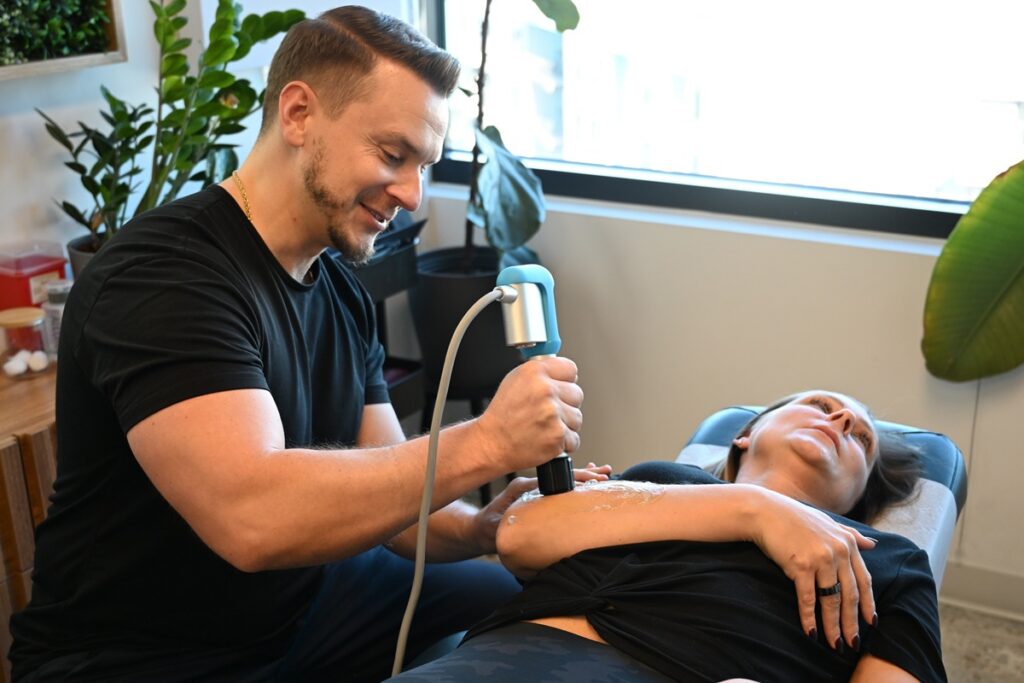
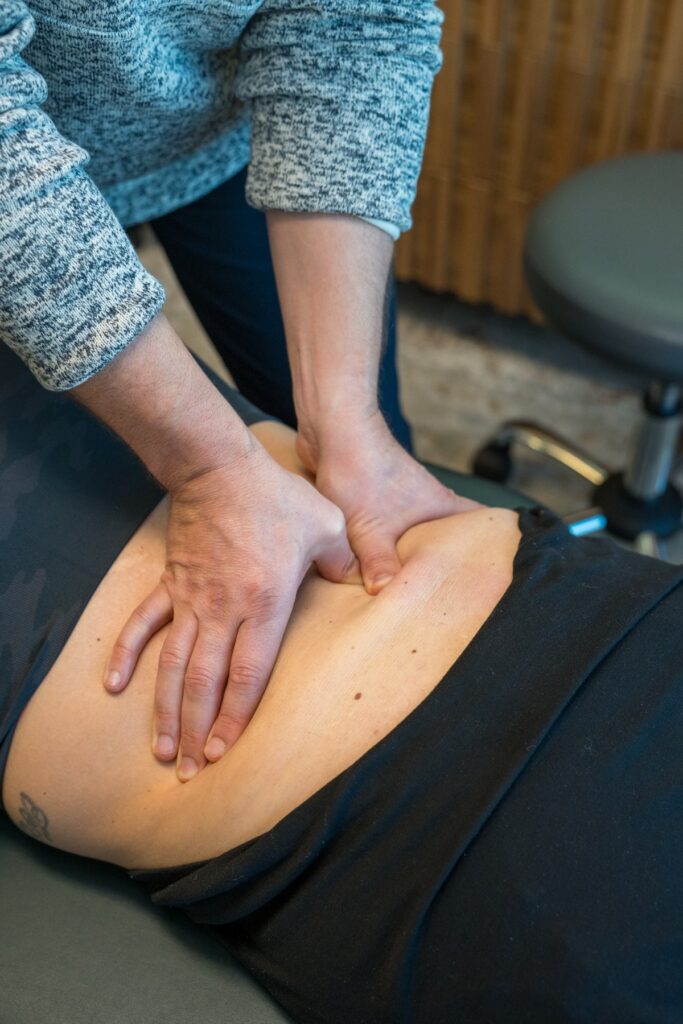
Beyond adjustments, chiropractic care at Feel Good Chiropractic And Wellness may also incorporate soft tissue therapies, rehabilitative movement guidance, and postural retraining — all designed to reduce inflammation around the nerve, restore healthy mechanics, and give the body the best possible environment in which to heal. The goal is always to support your body’s natural healing capacity, not to override it.
Practical Tips to Support Recovery
Whether you’re waiting to be seen or you’re already in care, there are several supportive habits that can make a meaningful difference in how quickly and completely a pinched nerve resolves.
First, be mindful of posture — especially if you work at a desk or spend significant time on a phone or laptop. Forward head posture places enormous additional strain on the cervical spine and the nerves that exit it. Keeping your screen at eye level, your shoulders relaxed and back, and your feet flat on the floor can reduce unnecessary pressure on vulnerable nerve pathways.
Gentle movement is generally better than complete rest. While you should avoid activities that sharply increase your symptoms, staying in bed for extended periods can actually slow recovery. Light walking, gentle stretching, and movement that keeps the area mobile without aggravating the nerve is often encouraged. Dr. Jesse Czajka at Feel Good Chiropractic And Wellness can help guide you toward movement patterns that are safe and supportive for your specific situation.
Applying ice to an acutely inflamed area can help reduce swelling in the short term, while heat may be helpful for muscle tension surrounding the nerve. Staying well-hydrated, getting quality sleep, and managing stress also support your body’s overall healing environment — these are simple but genuinely important pieces of the recovery puzzle.
When to See a Chiropractor
If your pinched nerve symptoms have lasted more than a few days and aren’t clearly improving, that’s a reasonable signal to seek professional evaluation. You don’t need to wait until symptoms are severe to reach out — in fact, earlier intervention often leads to faster and more complete recovery.
You should consider making an appointment if your pain, numbness, or tingling is interfering with daily activities, sleep, or work. If symptoms are spreading further down an arm or leg over time, or if you’re noticing increasing muscle weakness, these are signs that the nerve compression may be progressing rather than resolving on its own.
There are also situations where chiropractic care is not the first stop — and Dr. Jesse Czajka takes this seriously. If you experience sudden loss of bladder or bowel control, severe progressive weakness, loss of sensation in the groin or inner thighs (saddle anesthesia), or symptoms following a significant trauma, please seek emergency medical care immediately. These can be signs of a serious spinal emergency that requires prompt evaluation beyond the scope of chiropractic care.
|
Symptom / Situation |
Likely Next Step |
Urgency Level |
|---|---|---|
|
Mild numbness/tingling, recent onset |
Monitor closely, try postural adjustments |
Low — but seek care if no improvement in 1-2 weeks |
|
Radiating pain down arm or leg lasting 2+ weeks |
Chiropractic evaluation recommended |
Moderate — don’t wait too long |
|
Worsening weakness in arm or leg |
Prompt chiropractic or medical evaluation |
High — seek evaluation soon |
|
Pain interfering with sleep and daily function |
Chiropractic or primary care evaluation |
Moderate-High — don’t delay |
|
Loss of bladder/bowel control or saddle numbness |
Emergency medical care immediately |
Emergency — do not wait |
Myths vs. Facts About Pinched Nerves
Myth: A pinched nerve always needs surgery to heal.
Fact: The vast majority of pinched nerve cases respond well to conservative, non-surgical care. Options like chiropractic treatment, physical therapy, and targeted exercise are typically the first-line recommendations before surgery is ever considered. Surgery is generally reserved for cases where conservative care has failed over an extended period or where there is serious neurological compromise.
Myth: If the pain goes away, the nerve problem is fully resolved.
Fact: Pain relief doesn’t always mean the underlying compression has been fully corrected. Nerves can stop signaling pain while still being partially compressed, which is why ongoing structural issues — if left unaddressed — can lead to recurring episodes. A professional evaluation helps ensure the root cause is actually being managed.
Myth: Rest is the best treatment for a pinched nerve.
Fact: While modified activity is important during the acute phase, prolonged bed rest can actually slow recovery by weakening supporting muscles and reducing healthy circulation to the area. Gentle, guided movement is typically more beneficial than extended rest, and this is something Dr. Jesse Czajka at Feel Good Chiropractic And Wellness helps patients navigate.
Myth: Pinched nerves only happen in older people.
Fact: Pinched nerves can affect people of all ages. Younger adults and even adolescents can develop nerve compression due to injury, poor posture, repetitive strain, or disc problems. Here in Charlotte, we see patients of a wide range of ages dealing with this exact issue.
Myth: Chiropractic adjustments are dangerous for pinched nerves.
Fact: When performed by a licensed, trained chiropractor, spinal manipulation is generally considered a safe and effective conservative option for nerve-related spinal conditions. A thorough evaluation comes first, before any treatment is recommended, to ensure the approach is both appropriate and safe for each individual patient.
Final Thoughts
Living with a pinched nerve can be uncomfortable, disruptive, and — if you don’t know what’s going on — a little frightening. But here’s what we want you to take away from this: you are not powerless, and you have good options. Many pinched nerves do improve with the right support, and conservative care — including chiropractic — has helped countless people in the Charlotte community get their lives back without needing to turn to surgery or long-term medication use.
At Feel Good Chiropractic And Wellness in Charlotte, NC, Dr. Jesse Czajka is here to be your partner in that process. Whether you’re just starting to notice symptoms or you’ve been dealing with nerve pain for a while, a thorough, compassionate evaluation is always a great place to start. You deserve to feel good — and that’s exactly what we’re here to help with.
Frequently Asked Questions
How long does it typically take for a pinched nerve to heal?
Healing time varies depending on the cause and severity. Mild cases may resolve in a few days to a couple of weeks, while more significant compression — especially from a herniated disc or bone spur — can take several weeks to months. Getting a proper evaluation helps set realistic expectations and speeds up recovery by addressing the underlying cause.
Can a chiropractor actually fix a pinched nerve?
Chiropractic care doesn’t “fix” nerves directly, but it can address the structural factors — like misaligned vertebrae, restricted joint movement, or disc pressure — that are contributing to nerve compression. By improving spinal alignment and reducing mechanical stress, chiropractic care creates better conditions for the nerve to heal. Evidence suggests it can be an effective conservative option for many types of nerve-related spinal pain.
Should I use heat or ice for a pinched nerve?
Ice is generally recommended during the acute phase to help manage inflammation and reduce swelling. Heat can be helpful for relieving surrounding muscle tension, particularly in the subacute phase. When in doubt, ask your chiropractor which approach is best suited to your specific situation and timing.
Is it safe to exercise with a pinched nerve?
In most cases, gentle movement is encouraged, but high-impact activities or exercises that directly aggravate symptoms should be avoided. The right exercises depend on the location and cause of the nerve compression. Dr. Jesse Czajka at Feel Good Chiropractic And Wellness can provide guidance tailored to your condition.
Can bad posture cause a pinched nerve?
Yes — chronic poor posture, especially forward head posture or slouching, places uneven mechanical stress on the spine, which over time can contribute to disc degeneration, joint restriction, and ultimately nerve compression. This is one of the most common and preventable contributors to pinched nerves that we see in the Charlotte, NC area.
What is the difference between a pinched nerve and sciatica?
Sciatica is actually a specific type of pinched nerve — it refers to compression or irritation of the sciatic nerve, which runs from the lower back down through the buttocks and legs. Not all pinched nerves are sciatica, but sciatica is one of the most recognized forms of nerve compression and is commonly managed with chiropractic care.
TL;DR
-
Many pinched nerves can heal on their own, but the timeline and outcome depend on the cause, severity, and how well the underlying issue is managed.
-
Common causes include herniated discs, bone spurs, repetitive strain, and poor posture — all of which can be evaluated by a chiropractor.
-
Chiropractic care offers a non-invasive, drug-free approach to addressing the structural factors that contribute to nerve compression.
-
Gentle movement, good posture habits, and early professional evaluation all support a faster and more complete recovery.
-
Red flags like loss of bladder/bowel control or severe progressive weakness require emergency medical attention — don’t wait on those symptoms.