If you’ve been dealing with a stubborn injury that just won’t seem to get better—no matter how much you rest, ice, or modify your activities—you’re not alone. Here in Charlotte, NC, we see patients every week at Feel Good Chiropractic And Wellness who’ve been frustrated by chronic pain that hasn’t responded to traditional treatments. Maybe it’s that nagging plantar fasciitis that makes your morning steps unbearable, or that tennis elbow that’s kept you off the court for months. Whatever the case, there’s a treatment option gaining serious attention for these hard-to-heal injuries: shockwave therapy.
This non-invasive treatment has become increasingly popular because it addresses the root cause of why certain injuries won’t heal—and it does so without surgery, injections, or medication. Let’s explore why shockwave therapy has become such a game-changer for stubborn musculoskeletal conditions.
What Is Shockwave Therapy?
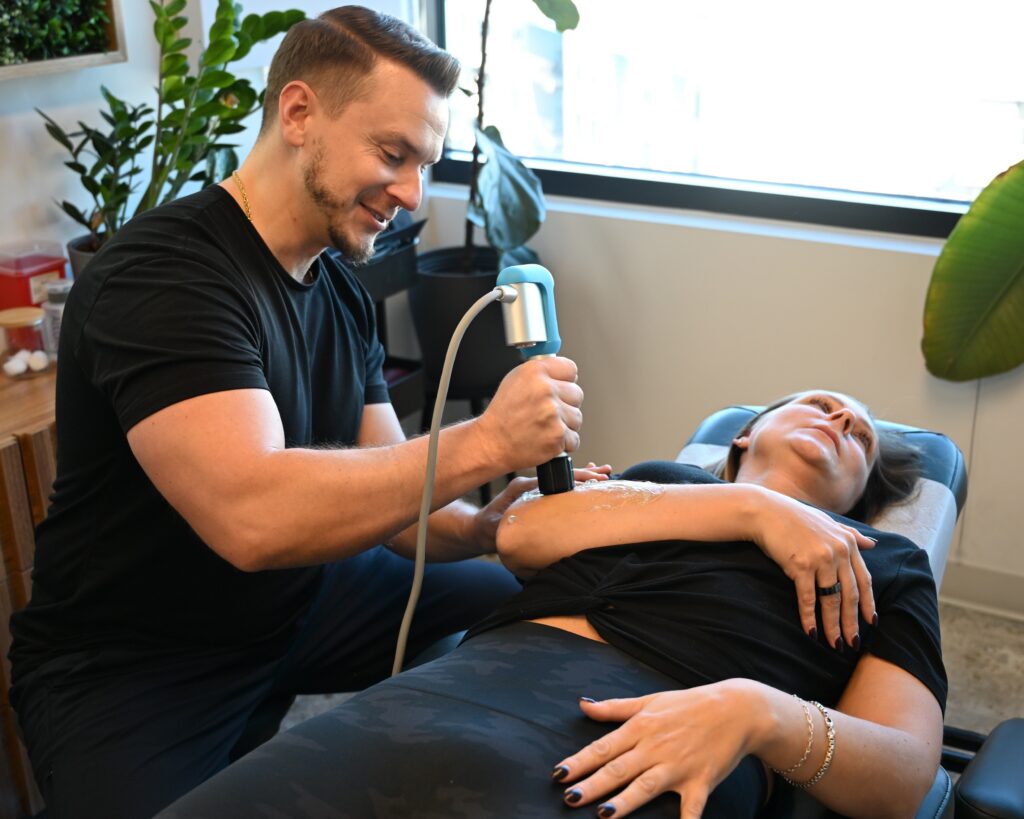
Shockwave therapy, also called extracorporeal shockwave therapy (ESWT), is a treatment that uses high-energy acoustic waves to stimulate healing in injured tissues. These sound waves are delivered through a handheld device applied directly to the affected area. The waves penetrate deep into tissues to trigger your body’s natural repair mechanisms, increase blood flow, break down scar tissue, and reduce pain signals. It’s FDA-cleared for certain conditions and has been used in medicine for decades—first for kidney stones, then expanding into orthopedic and sports medicine applications.
Table of Contents
- Why Some Injuries Won’t Heal on Their Own
- How Shockwave Therapy Works
- Conditions That Respond Well to Shockwave Therapy
- What to Expect During Treatment
- Why Shockwave Therapy Has Become So Popular
- Treatment Comparison Table
- Myths vs. Facts About Shockwave Therapy
- How Shockwave Therapy Fits Into Chiropractic Care
- Supporting Your Recovery
- When to Consider Shockwave Therapy
- Final Thoughts
Why Some Injuries Won’t Heal on Their Own
Understanding why shockwave therapy works starts with understanding why certain injuries become chronic in the first place. When you have an acute injury—like a sprained ankle or pulled muscle—your body immediately begins the healing process. Blood rushes to the area, bringing oxygen and nutrients. Inflammation occurs as part of the natural repair cycle. Within days to weeks, most injuries resolve.
But some injuries get stuck. They transition from acute to chronic, lingering for months or even years. This happens for several reasons:
Poor Blood Supply: Tendons and ligaments have limited blood flow compared to muscles. Areas like the Achilles tendon, rotator cuff, and plantar fascia receive less circulation, which slows healing dramatically. Without adequate blood flow, tissues can’t receive the nutrients and oxygen needed for repair.
Scar Tissue Formation: As injuries attempt to heal, the body sometimes forms disorganized scar tissue instead of healthy, functional tissue. This scar tissue is weaker, less flexible, and more prone to re-injury. It also restricts movement and causes ongoing pain.
Chronic Inflammation: When the healing process stalls, low-grade inflammation can persist. This creates a cycle where the tissue is constantly irritated but never fully repairs itself. The area remains sensitive, painful, and vulnerable.
Repetitive Stress: Many stubborn injuries develop from overuse rather than a single traumatic event. If you keep using the injured area before it’s fully healed—often because daily life or work demands it—you prevent proper recovery. The tissue breaks down faster than it can rebuild.
At Feel Good Chiropractic And Wellness, we explain to our Charlotte patients that these stalled injuries need something to “kickstart” the healing process again. That’s exactly what shockwave therapy is designed to do.
How Shockwave Therapy Works
Shockwave therapy works through several biological mechanisms that combine to promote healing in stubborn injuries. The acoustic waves create controlled microtrauma in the tissue, which sounds counterintuitive but actually triggers a beneficial healing response.
Neovascularization: The shockwaves stimulate the formation of new blood vessels in the treated area. This process, called neovascularization, increases blood supply to tissues that previously had poor circulation. More blood flow means more oxygen, nutrients, and growth factors reaching the injured tissue—all essential for repair.
Breaking Down Calcifications: Some chronic injuries develop calcium deposits or calcifications within the tissue. These hard deposits cause pain and restrict movement. The mechanical force of shockwaves can break apart these calcifications, allowing the body to gradually absorb and remove them.
Collagen Stimulation: Healthy tendons and ligaments depend on properly aligned collagen fibers. Shockwave therapy stimulates the production of new collagen while also helping to reorganize existing fibers into a more functional pattern. This creates stronger, more resilient tissue.
Pain Reduction: The treatment affects pain transmission in multiple ways. It can temporarily overwhelm pain receptors through a mechanism called “gate control theory.” It also reduces substance P, a neurotransmitter involved in pain signaling. Many patients experience significant pain relief that begins during or immediately after treatment.
Scar Tissue Breakdown: The mechanical energy helps break up adhesions and disorganized scar tissue. As this dysfunctional tissue is cleared away, the body can replace it with healthier, more functional tissue.
Research published in journals like the British Medical Journal and studies reviewed by the Cochrane Library have shown positive outcomes for shockwave therapy in various tendinopathies and chronic musculoskeletal conditions. Evidence indicates it can significantly reduce pain and improve function where other conservative treatments have failed.
Conditions That Respond Well to Shockwave Therapy
Shockwave therapy has shown effectiveness for a range of chronic musculoskeletal conditions. Here are the injuries and conditions where we most commonly see success at our Charlotte practice:
Plantar Fasciitis
This is one of the most common applications of shockwave therapy. Plantar fasciitis causes heel pain that’s typically worst with your first steps in the morning. The plantar fascia is a thick band of tissue running along the bottom of your foot, and it has poor blood supply, making it prone to chronic inflammation. Studies have shown that shockwave therapy can provide lasting relief when stretching, orthotics, and other conservative measures haven’t worked.
Tennis Elbow (Lateral Epicondylitis)
Despite its name, you don’t have to play tennis to develop this painful condition affecting the outside of your elbow. It results from overuse of the forearm muscles and tendons. Shockwave therapy targets the degenerated tendon tissue at the elbow, promoting regeneration and reducing pain. Many patients see improvement after just a few sessions.
Achilles Tendinopathy
The Achilles tendon—the large tendon connecting your calf muscles to your heel—is vulnerable to chronic injury, especially in runners and active individuals. When this tendon becomes painful and stiff, shockwave therapy can stimulate healing in the damaged tissue and help restore normal function.
Rotator Cuff Tendinopathy and Calcific Tendinitis
Shoulder pain from rotator cuff issues can be debilitating. Whether it’s chronic tendon degeneration or calcific deposits causing your pain, shockwave therapy has been shown to help. It’s particularly effective for calcific tendinitis, where calcium deposits form within the rotator cuff tendons.
Shin Splints (Medial Tibial Stress Syndrome)
Athletes and runners often struggle with shin splints that won’t resolve despite rest. Shockwave therapy can address the inflammation and microtears in the tissues along the shinbone, helping runners get back to their training.
Patellar Tendinopathy (Jumper’s Knee)
This condition affects the tendon connecting your kneecap to your shin bone and is common in athletes who jump frequently. The chronic pain and weakness can sideline athletes for months. Shockwave therapy has shown promise in promoting healing in this notoriously stubborn injury.
Chronic Neck and Back Pain
While most research has focused on tendon and ligament injuries, shockwave therapy is also being used for certain types of chronic spinal pain, particularly when trigger points or muscle tension contribute to the problem.
Dr. Ryan James at Feel Good Chiropractic And Wellness often explains to patients that the best candidates for shockwave therapy are those who’ve tried other conservative treatments without full resolution. If you’ve been dealing with pain for more than three months and traditional approaches haven’t provided lasting relief, shockwave therapy might be worth considering.
What to Expect During Treatment
If you’re considering shockwave therapy, it helps to know what the experience is actually like. Here’s what typically happens during treatment sessions:
Initial Assessment: Before starting shockwave therapy, your chiropractor will conduct a thorough evaluation to determine if you’re a good candidate. This includes reviewing your injury history, previous treatments, and current symptoms. They’ll identify the precise location of your injury and assess the severity.
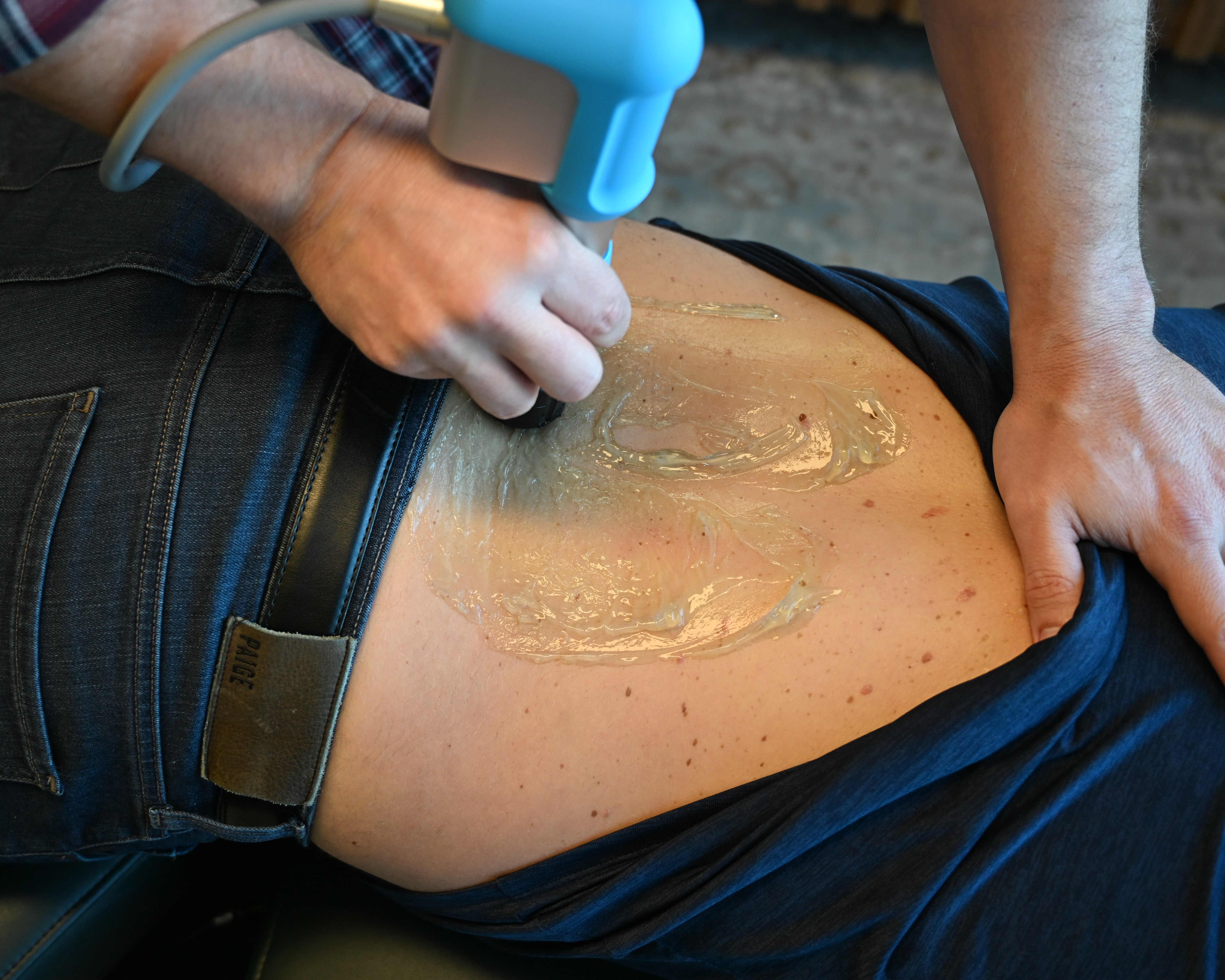
Treatment Session: During the actual treatment, you’ll be positioned comfortably so the practitioner can access the injured area. A gel is applied to your skin—similar to ultrasound gel—to help conduct the shockwaves. The handheld device is then placed against your skin and moved slowly over the treatment area.
Sensation: You’ll feel a rhythmic tapping or pulsing sensation. The intensity can be adjusted based on your tolerance. Some areas may feel tender or uncomfortable during treatment, especially if the tissue is very inflamed or sensitive. Most patients describe it as tolerable, and the discomfort is temporary.
Duration: Individual treatment sessions typically last between 5 and 15 minutes, depending on the size and location of the injured area. The entire appointment may be 20-30 minutes when including setup and post-treatment discussion.
Treatment Protocol: Most conditions require a series of treatments rather than just one session. A typical protocol involves 3-6 sessions spaced about one week apart. Some conditions may require more sessions, while others respond quickly to fewer treatments.
After Treatment: You can typically return to normal activities immediately after treatment, though your chiropractor may recommend avoiding intense exercise or activities that stress the injured area for 48 hours. Some patients experience temporary soreness, redness, or swelling at the treatment site, but these effects usually resolve within a day or two.
Timeline for Results: This varies considerably between individuals. Some patients notice improvement after the first session, while others don’t experience significant relief until they’ve completed several treatments. Maximum benefits often occur weeks to months after the treatment series is complete, as your body continues the healing process.
Why Shockwave Therapy Has Become So Popular
The growing popularity of shockwave therapy isn’t just hype—there are legitimate reasons why both practitioners and patients are embracing this treatment option for stubborn injuries.
Non-Invasive Alternative
Perhaps the biggest draw is that shockwave therapy is completely non-invasive. There are no incisions, no needles, and no anesthesia required. For patients who want to avoid surgery or injections, it offers a middle ground between conservative care that hasn’t worked and more aggressive interventions.
Addresses Root Causes
Unlike treatments that merely mask symptoms, shockwave therapy targets the underlying tissue dysfunction. It stimulates actual biological healing rather than just providing temporary pain relief. This approach aligns well with the chiropractic philosophy of helping the body heal itself.
Quick Sessions with Minimal Downtime
In today’s busy world, treatment convenience matters. Shockwave therapy sessions are quick, and there’s no recovery time. Patients can come in during their lunch break and return to work immediately afterward. This is especially appealing to our active Charlotte patients who can’t afford to take time off for lengthy rehabilitation protocols.
Proven Track Record
Research and clinical experience have built a solid foundation of evidence supporting shockwave therapy’s effectiveness. While it doesn’t work for everyone, success rates for appropriate conditions are encouraging. Multiple systematic reviews and meta-analyses have found positive outcomes for plantar fasciitis, lateral epicondylitis, and other tendinopathies.
Reduced Need for Medication
Many people with chronic pain rely on NSAIDs or other pain medications long-term, which can have unwanted side effects. Shockwave therapy offers the potential to reduce or eliminate medication dependence by actually resolving the source of pain rather than just covering it up.
Cost-Effective Over Time
While there is an upfront cost to treatment, when you consider the alternative—months of ongoing therapy, expensive imaging, potential surgery, or long-term medication use—shockwave therapy often proves cost-effective for appropriate candidates. It can short-circuit the expensive cycle of treatments that aren’t working.
Works When Other Treatments Haven’t
Perhaps most importantly, shockwave therapy offers hope to patients who’ve exhausted other options. When physical therapy, chiropractic adjustments, exercises, bracing, and rest haven’t provided lasting relief, shockwave therapy provides another avenue to explore before considering more invasive interventions.
Treatment Comparison Table
| Treatment Approach | How It Works | Best For | Typical Timeline |
|---|---|---|---|
| Rest and Ice | Reduces inflammation and allows natural healing | Acute injuries in early stages | Days to weeks |
| Physical Therapy | Strengthens muscles, improves mobility and function | Injuries with mechanical dysfunction or weakness | Weeks to months |
| Cortisone Injections | Reduces inflammation temporarily | Acute inflammatory flares | Days to weeks (temporary) |
| Shockwave Therapy | Stimulates tissue regeneration and healing | Chronic injuries resistant to other treatments | Weeks to months |
| Surgery | Repairs or removes damaged tissue | Severe structural damage when conservative care fails | Months including recovery |
Myths vs. Facts About Shockwave Therapy
As shockwave therapy gains popularity, some misconceptions have emerged. Let’s clear up some common myths:
Myth: Shockwave Therapy Is the Same as Ultrasound
Fact: While both use sound waves, they’re completely different treatments. Therapeutic ultrasound uses continuous, low-intensity sound waves primarily for warming tissues. Shockwave therapy uses high-intensity acoustic pulses that create mechanical stress to trigger biological healing responses. The mechanisms and effects are distinct.
Myth: It’s Extremely Painful
Fact: Most patients describe the sensation as tolerable discomfort rather than pain. The intensity can be adjusted to your comfort level, and any discomfort is temporary, lasting only during the brief treatment session. The potential for long-term relief typically far outweighs the temporary discomfort.
Myth: Results Are Immediate
Fact: While some patients notice improvement quickly, shockwave therapy typically works gradually over time. The treatment initiates healing processes that continue for weeks to months after your sessions are complete. Patience is important—this is biological healing, not instant pain relief.
Myth: One Treatment Is Enough
Fact: Most conditions require a series of treatments to achieve optimal results. Typically 3-6 sessions spaced one week apart are needed. Single-session protocols are rarely recommended for chronic conditions.
Myth: Shockwave Therapy Works for Every Injury
Fact: Shockwave therapy is most effective for specific types of tendon and soft tissue injuries. It’s not appropriate for all pain conditions, acute injuries, or certain medical situations. A proper assessment is essential to determine if you’re a good candidate.
Myth: It’s Just a Temporary Fix
Fact: Unlike some treatments that provide only temporary symptom relief, shockwave therapy aims to produce lasting results by actually healing damaged tissue. Research suggests that benefits can persist long-term when the treatment is successful.
How Shockwave Therapy Fits Into Chiropractic Care
At Feel Good Chiropractic And Wellness, shockwave therapy isn’t offered in isolation—it’s integrated into a comprehensive approach to musculoskeletal health. Here’s how it works alongside chiropractic care:
Complementary Treatments: Chiropractic adjustments address joint dysfunction and spinal alignment, while shockwave therapy targets soft tissue injuries. Many conditions involve both joint problems and tendon or muscle issues. Combining these approaches often produces better outcomes than either treatment alone.
Functional Movement: Chronic injuries often develop due to movement patterns or biomechanical problems. While shockwave therapy promotes tissue healing, chiropractic care can address the underlying mechanical issues that contributed to the injury in the first place. This combination helps prevent recurrence.
Whole-Body Approach: Chiropractors understand that pain in one area often stems from problems elsewhere. For example, plantar fasciitis might be related to hip or spinal dysfunction affecting your gait. Dr. Ryan James evaluates the entire kinetic chain to identify contributing factors and create a comprehensive treatment plan.
Active Recovery: Shockwave therapy works best when combined with appropriate exercise and rehabilitation. Your chiropractor can guide you through specific stretches, strengthening exercises, and movement modifications that support the healing process and help you return to full function.
Patient Education: Understanding your injury and what you can do to support healing is crucial. Chiropractors excel at patient education, helping you understand not just what’s wrong but why it happened and how to prevent future problems.
For our Charlotte patients at Feel Good Chiropractic And Wellness, this integrated approach means you’re not just treating symptoms—you’re addressing the whole picture to achieve lasting wellness.
Supporting Your Recovery
While shockwave therapy does the heavy lifting of stimulating tissue healing, there are things you can do to support and maximize the results:
Stay Hydrated: Adequate hydration is essential for tissue repair and healing. Aim to drink plenty of water, especially in the days following treatment. Proper hydration helps your body clear away damaged tissue and deliver nutrients to healing areas.
Respect the Healing Process: Your body needs time to respond to treatment. Avoid the temptation to immediately jump back into intense activities. Gradually increase your activity level as symptoms improve and with guidance from your chiropractor.
Follow Activity Modifications: If your chiropractor recommends avoiding certain activities or movements for a day or two after treatment, follow that advice. This gives your tissues the best chance to respond positively to the therapy.
Continue Prescribed Exercises: If you’ve been given stretches or strengthening exercises, keep doing them. Shockwave therapy creates the biological environment for healing, but exercises help restore proper function and prevent recurrence.
Address Contributing Factors: If poor ergonomics, improper footwear, or training errors contributed to your injury, now is the time to address them. Otherwise, even after successful treatment, you risk re-injury.
Be Patient: Healing takes time, especially for chronic injuries. Trust the process and maintain realistic expectations. Improvement often comes gradually rather than all at once.
Communicate with Your Provider: Keep your chiropractor informed about how you’re responding to treatment. If you notice increased pain, unusual symptoms, or concerns, speak up. Open communication helps ensure you’re getting the most appropriate care.
When to Consider Shockwave Therapy
How do you know if shockwave therapy might be right for your situation? Here are some indicators that you might be a good candidate:
Chronic Pain Duration: If you’ve been dealing with tendon or soft tissue pain for more than three to six months, shockwave therapy may be appropriate. Chronic conditions that have moved past the acute healing phase often respond well.
Failed Conservative Treatment: You’ve tried rest, ice, physical therapy, chiropractic care, exercises, and possibly other treatments without achieving lasting relief. Shockwave therapy is often recommended when first-line conservative measures haven’t been sufficient.
Specific Conditions: You’ve been diagnosed with a condition known to respond to shockwave therapy, such as plantar fasciitis, tennis elbow, Achilles tendinopathy, or calcific shoulder tendinitis.
Want to Avoid Surgery or Injections: You’re looking for a non-invasive option before considering more aggressive interventions. Shockwave therapy can be an appropriate middle step in the treatment progression.
Recurring Injury: Your injury seems to improve but then keeps coming back. This pattern often indicates incomplete healing that shockwave therapy might address.
No Contraindications: You don’t have conditions that would make shockwave therapy unsafe, such as active infection at the treatment site, certain circulatory disorders, pregnancy near the treatment area, or use of certain medications like blood thinners.
Before starting treatment, a thorough evaluation at Feel Good Chiropractic And Wellness will help determine if shockwave therapy is appropriate for your specific situation. Not everyone is a candidate, and honest communication about your health history and expectations is important.
Final Thoughts
Stubborn injuries can be incredibly frustrating, affecting not just your physical health but your quality of life, work performance, and ability to enjoy activities you love. The good news is that advances like shockwave therapy are giving new hope to people who’ve struggled with chronic musculoskeletal conditions.
Here in Charlotte, NC, Dr. Ryan James and the team at Feel Good Chiropractic And Wellness have seen firsthand how shockwave therapy can make a difference for the right patients. It’s not a miracle cure, and it doesn’t work for everyone, but when combined with comprehensive chiropractic care and a commitment to addressing underlying issues, it can be a powerful tool for healing stubborn injuries.
If you’ve been dealing with chronic pain that hasn’t responded to other treatments, it might be time to explore whether shockwave therapy could be part of your solution. The journey to healing often requires patience and a willingness to try different approaches, but with the right combination of treatments and the support of knowledgeable practitioners, many people find their way back to the active, pain-free life they’re looking for.
Feel Good Chiropractic And Wellness is here to help Charlotte residents find answers to their chronic pain challenges. Whether shockwave therapy is part of your treatment plan or not, our goal is always to provide honest, evidence-based care that helps you feel your best.
Frequently Asked Questions
How long do the results from shockwave therapy last?
When shockwave therapy is successful, results are typically long-lasting because the treatment promotes actual tissue healing rather than just masking symptoms. Many patients experience sustained improvement for months to years, especially when combined with proper rehabilitation and addressing contributing factors. However, if underlying biomechanical issues or activity patterns aren’t corrected, there’s always a risk of re-injury.
Does insurance cover shockwave therapy?
Insurance coverage varies significantly depending on your specific plan, the condition being treated, and sometimes the type of shockwave therapy device used. Some insurance plans cover shockwave therapy for FDA-approved conditions like plantar fasciitis, while others consider it experimental or not medically necessary. It’s best to contact your insurance provider directly or discuss coverage options with the office staff at Feel Good Chiropractic And Wellness before beginning treatment.
Can shockwave therapy make my condition worse?
Shockwave therapy is generally very safe when performed appropriately. Some patients experience temporary soreness or mild inflammation for a day or two after treatment, which is a normal part of the healing response. Serious complications are rare. However, this is why proper evaluation is so important—shockwave therapy isn’t appropriate for all conditions, and using it incorrectly or on the wrong type of injury could potentially cause problems.
Is shockwave therapy the same as electrical stimulation or TENS?
No, these are completely different modalities. Electrical stimulation and TENS (transcutaneous electrical nerve stimulation) use electrical currents to affect nerves and muscles. Shockwave therapy uses high-energy acoustic waves to create mechanical effects in tissue. The mechanisms, sensations, and therapeutic goals are distinct, though all can be valuable tools for different purposes.
How soon can I exercise after shockwave therapy?
Most practitioners recommend avoiding intense exercise or activities that stress the treated area for 24-48 hours after each session. Light movement and normal daily activities are typically fine. After this brief period, you can gradually return to exercise as tolerated, though you should follow your chiropractor’s specific recommendations based on your individual situation and how you’re responding to treatment.
Why didn’t shockwave therapy work for my friend but might work for me?
Response to shockwave therapy varies between individuals based on many factors including the specific condition, severity, duration, individual healing capacity, and whether the treatment was performed with appropriate protocols. Not everyone responds equally to any treatment. Your injury may be at a different stage, in a different location, or have different contributing factors than your friend’s. A proper evaluation helps determine if you’re a good candidate.
TL;DR – Key Takeaways
- Shockwave therapy uses high-energy acoustic waves to stimulate healing in stubborn injuries that haven’t responded to other conservative treatments, making it particularly effective for chronic tendon problems.
- The treatment works by increasing blood flow, breaking down scar tissue and calcifications, stimulating collagen production, and reducing pain signals—addressing the root causes of why injuries won’t heal.
- It’s most commonly used for conditions like plantar fasciitis, tennis elbow, Achilles tendinopathy, and rotator cuff problems, typically requiring 3-6 treatment sessions spaced one week apart.
- Shockwave therapy is popular because it’s non-invasive, has minimal downtime, addresses underlying tissue problems rather than just symptoms, and offers hope when other treatments have failed.
- Best results occur when shockwave therapy is integrated with comprehensive chiropractic care that addresses biomechanical issues, includes rehabilitation exercises, and involves lifestyle modifications to prevent recurrence.