

If you’ve seen athletes with those distinctive circular marks on their backs or shoulders, you’ve witnessed the visible signs of cupping therapy. This ancient healing practice has gained tremendous popularity in recent years, with everyone from Olympic swimmers to weekend warriors seeking its benefits. But what exactly is cupping therapy, and why are so many people turning to it for relief? Here in Charlotte, NC, more patients are asking about cupping as a complementary treatment option, curious about how those unusual-looking cups might help with their pain, tension, and recovery. Whether you’re dealing with chronic muscle tightness, recovering from an injury, or simply looking for natural ways to support your wellness routine, understanding cupping therapy can help you make informed decisions about your care. At Feel Good Chiropractic And Wellness, we believe in educating our patients about all available treatment options so you can choose what feels right for your body and your goals.
What Is Cupping Therapy? Cupping therapy is a traditional healing technique that uses specialized cups placed on the skin to create suction. This suction draws tissue upward, increasing blood flow to the area, promoting circulation, and helping to release muscle tension. The practice has roots in ancient Chinese, Egyptian, and Middle Eastern medicine, but modern cupping has evolved to include various techniques and applications that complement conservative care approaches.
Table of Contents
- How Cupping Therapy Actually Works
- Different Types of Cupping Methods
- What to Expect During a Cupping Session
- Why People Love Cupping Therapy
- How Cupping Fits With Chiropractic Care
- Who Makes a Good Candidate for Cupping
- Maximizing Your Cupping Results
- Myths vs. Facts About Cupping
- When to Consider Cupping Therapy
How Cupping Therapy Actually Works
The fundamental principle behind cupping is surprisingly straightforward. When cups are placed on your skin and suction is created, the negative pressure pulls tissue upward into the cup. This mechanical action has several effects on your body’s tissues and circulatory system.
First, the suction increases blood flow to the treated area. When tissue is drawn upward, fresh oxygenated blood rushes to fill the space, bringing nutrients and healing compounds. This enhanced circulation can help flush out metabolic waste products that accumulate in tight, restricted muscles.
Second, cupping creates a mechanical stretch in the fascia, the connective tissue that surrounds your muscles. Fascia can become dense, restricted, and adhered when you experience chronic tension or injury. The pulling action of the cups helps separate tissue layers that may have become stuck together, improving tissue mobility and reducing the feeling of tightness.
Third, the therapy appears to have neurological effects. The unique sensation created by cupping may influence pain signals traveling to your brain. Some research suggests this stimulation can help modulate pain perception, similar to how other manual therapies affect the nervous system.
The distinctive circular marks left behind are actually a key part of the therapeutic process. These marks aren’t bruises in the traditional sense. Rather than damaged tissue from impact trauma, they represent blood and cellular debris being drawn to the surface. The darker the marks, the more stagnation was present in that area. As circulation improves with repeated treatments, many patients notice the marks become lighter, indicating improved tissue health.
Different Types of Cupping Methods
Cupping therapy isn’t a one-size-fits-all treatment. Several different methods exist, each with unique applications and benefits. Understanding these variations can help you know what to expect and which approach might work best for your situation.
Dry cupping is the most common method used in wellness practices today. Cups are placed on the skin and left stationary for several minutes. The practitioner creates suction either through a pump mechanism or, in traditional fire cupping, by briefly heating the air inside a glass cup before placing it on the skin. As the air cools, it contracts and creates a vacuum. Dr. Jesse Czajka often uses this method when patients need focused work on specific trouble spots like the upper trapezius muscles or lower back.
Wet cupping is a more traditional approach that involves making small superficial cuts in the skin before applying the cups. This method is less common in modern chiropractic and wellness settings in Charlotte, NC, and requires specific training and sanitation protocols.
Moving cupping (also called gliding or dynamic cupping) involves applying oil to the skin first, then moving the cups across the tissue while maintaining suction. This technique works wonderfully for larger muscle groups and creates a massage-like effect. Many patients at Feel Good Chiropractic And Wellness find this particularly satisfying for releasing tension along the spine or across the shoulder blades.
Flash cupping uses rapid, repeated application and removal of cups over an area. Rather than leaving cups in place, the practitioner quickly applies and removes them multiple times, creating a pumping effect. This method is often used for more sensitive areas or when patients are new to cupping.
What to Expect During a Cupping Session
If you’re considering cupping therapy for the first time, knowing what happens during a typical session can ease any nervousness. The experience is generally comfortable and even relaxing for most people.
Your session begins with a conversation about your specific concerns, health history, and treatment goals. The practitioner will identify which areas need attention and explain the cupping approach they recommend. You’ll typically lie on a treatment table in a position that allows easy access to the treatment area.
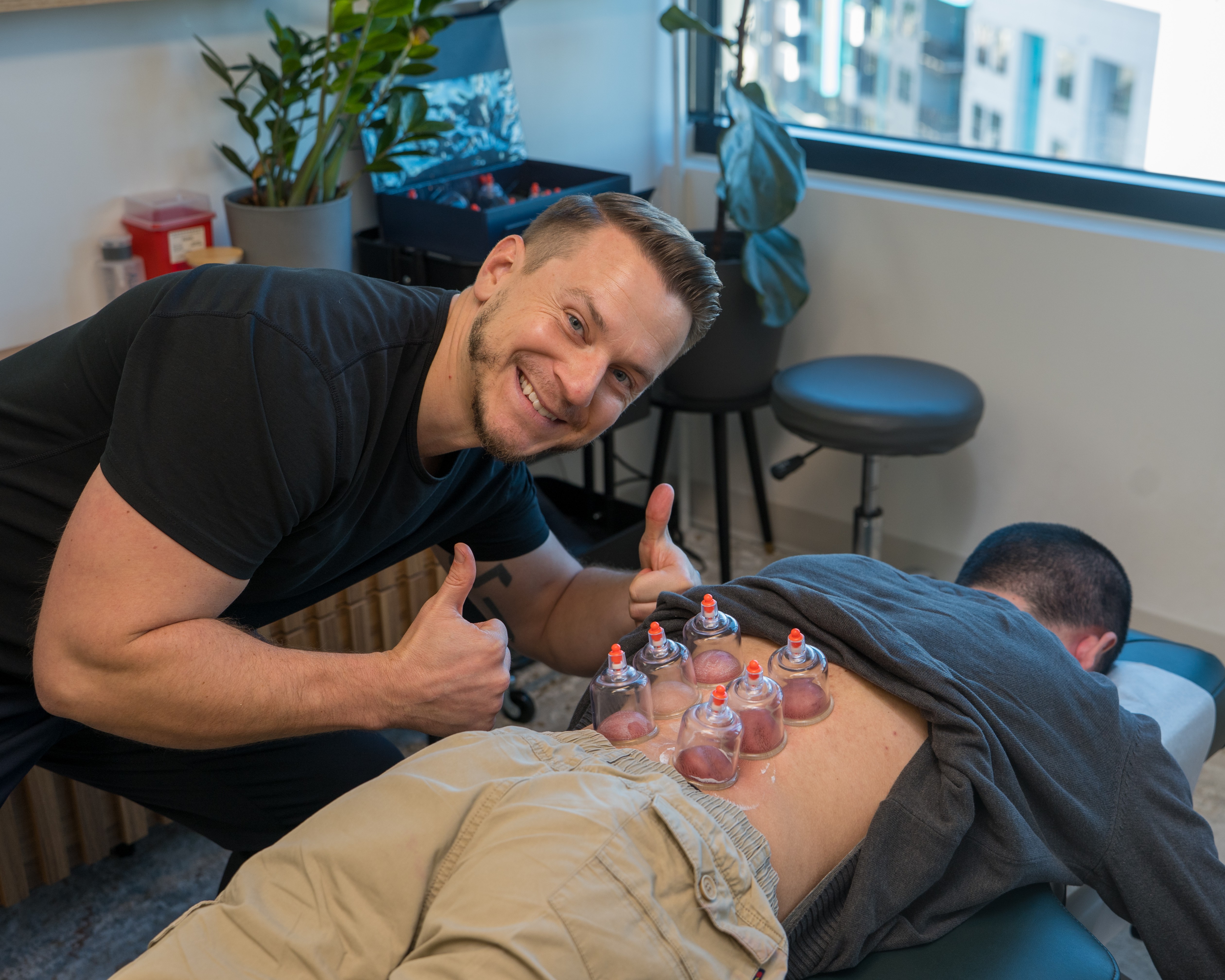
The practitioner applies the cups to your skin, creating suction that draws tissue upward. You’ll feel a pulling sensation, similar to a deep tissue massage but without the pressing-down feeling. Most people describe it as a pleasant tightness rather than pain. The cups typically remain in place for five to fifteen minutes, though this varies based on the technique and your individual response.
During the treatment, you might notice your muscles releasing and relaxing as the suction continues. Some people feel warmth spreading through the area as circulation increases. It’s normal to feel very relaxed, and some patients even doze off during longer sessions.
After removing the cups, the treated area may look dramatically marked, with circular patterns ranging from light pink to deep purple. These marks are temporary and typically fade within three to ten days. The intensity of the marks doesn’t indicate treatment quality but rather reflects the level of stagnation in your tissues before treatment.
Most cupping sessions last between fifteen and thirty minutes, though this may be shorter if cupping is part of a broader treatment session that includes other therapies. Many patients at Feel Good Chiropractic And Wellness receive cupping as part of their comprehensive care plan, combined with chiropractic adjustments and other modalities.
Why People Love Cupping Therapy
The growing popularity of cupping isn’t just about following trends. Patients report meaningful benefits that improve their quality of life and complement their overall wellness approach.
Muscle tension relief tops the list of reasons people seek cupping. The therapy excels at releasing stubborn knots and tightness that don’t respond well to stretching alone. Many Charlotte residents who work desk jobs come to our practice with chronic upper back and neck tension. Cupping provides a different mechanical input than massage or adjustment, often reaching deeper layers of restriction.
Pain reduction is another commonly reported benefit. Evidence suggests cupping may help with various pain presentations, particularly musculoskeletal discomfort in the back, neck, and shoulders. While cupping isn’t presented as a cure for any condition, many patients notice decreased pain levels following treatment, especially when combined with other conservative care approaches.
Recovery support attracts athletes and active individuals to cupping therapy. The increased circulation and tissue mobilization may support the body’s natural healing processes after intense training or minor injuries. Several professional sports teams and Olympic athletes have brought cupping into mainstream awareness by using it as part of their recovery protocols.
Stress relief and relaxation surprise many first-time cupping patients. The unique sensation, combined with the quiet treatment time, creates a meditative quality. Patients often report feeling both energized and deeply relaxed after sessions. This mind-body connection is valuable for people dealing with the effects of chronic stress.
Improved range of motion is frequently noticed after cupping treatments on restricted areas. When fascial adhesions release and tissue mobility improves, joints can move more freely. This benefit is particularly valuable when combined with chiropractic adjustments and corrective exercises.
How Cupping Fits With Chiropractic Care
At Feel Good Chiropractic And Wellness in Charlotte, NC, cupping therapy is offered as a complementary treatment that enhances chiropractic care rather than replacing it. Understanding how these approaches work together helps explain why many chiropractors have incorporated cupping into their practices.
Chiropractic adjustments focus on restoring proper joint motion and alignment, particularly in the spine. These adjustments influence the nervous system and improve biomechanical function. However, tight, restricted muscles can sometimes limit how well the body responds to adjustments or how long improvements last.
Cupping addresses the soft tissue component of dysfunction. By releasing fascial restrictions and improving tissue quality, cupping can prepare the body for chiropractic adjustments. Dr. Jesse Czajka often uses cupping before adjusting particularly tight or guarded areas, allowing muscles to relax so joints can be addressed more effectively.
The combination creates a comprehensive approach to musculoskeletal care. While adjustments restore joint function, cupping improves the soft tissue environment surrounding those joints. This dual approach addresses multiple contributing factors to pain and dysfunction rather than focusing on just one element.
Many patients notice their adjustments feel easier and more comfortable when preceded by cupping. The therapy can reduce protective muscle guarding that sometimes occurs when the nervous system perceives threat or injury. This allows for gentler, more specific chiropractic techniques.
Post-adjustment cupping is also valuable. After joint motion is restored through adjustment, cupping can help the surrounding muscles adapt to the new movement patterns. This may support longer-lasting results and help prevent the body from reverting to old compensation patterns.
Who Makes a Good Candidate for Cupping
Cupping therapy is generally safe for most people, but certain situations make someone a particularly good candidate for this treatment approach. Understanding whether cupping suits your situation helps set appropriate expectations.
People with chronic muscle tension and tightness often respond beautifully to cupping. If you’ve tried stretching, foam rolling, and massage with limited success, cupping offers a different mechanical stimulus that may reach restrictions other methods miss. Office workers, people with physically demanding jobs, and those who maintain sustained postures often benefit significantly.
Athletes and active individuals frequently incorporate cupping into their care routines. The therapy supports recovery between training sessions and may help maintain tissue quality during intense athletic seasons. Whether you’re training for a Charlotte marathon or enjoy weekend recreational sports, cupping can be a valuable addition to your wellness toolkit.
Individuals recovering from soft tissue injuries may find cupping helpful once the acute inflammatory phase has passed. The improved circulation can support healing processes, while the fascial release helps prevent scar tissue from becoming overly restrictive. Always consult with your healthcare provider about appropriate timing after injury.
People seeking drug-free pain management options appreciate cupping as part of a conservative care approach. If you prefer to avoid medications when possible or are looking for complementary therapies, cupping aligns with a natural, hands-on philosophy of care.
However, cupping isn’t appropriate for everyone. Pregnant women should avoid cupping over the abdomen and lower back. People taking blood-thinning medications, those with certain skin conditions, or individuals with acute infections should discuss these factors with their practitioner before beginning treatment. Dr. Jesse Czajka always reviews health history carefully to ensure cupping is safe and appropriate for each patient at Feel Good Chiropractic And Wellness.
Maximizing Your Cupping Results
Getting the most from cupping therapy involves more than just showing up for appointments. Several practical strategies can enhance your results and support your body’s response to treatment.
Hydration plays a crucial role in cupping effectiveness. The therapy increases circulation and helps flush metabolic waste from tissues, but your body needs adequate fluid to process and eliminate these byproducts. Drink plenty of water before and especially after cupping sessions. Many patients notice they feel better overall and the distinctive marks fade faster when they stay well-hydrated.
Plan your schedule thoughtfully around cupping sessions, especially your first few treatments. Some people feel energized immediately after cupping, while others experience temporary fatigue as their body processes the treatment. Avoid scheduling intense workouts or demanding activities immediately after your first session until you understand how your body responds.
Don’t be alarmed by the marks. Those circular patterns are a normal part of the treatment process. They’re typically not painful or tender, and they fade predictably over several days. Darker marks indicate more stagnation was present in those tissues. Over time with regular treatment, many people notice the marks become lighter as tissue health improves.
Wear loose, comfortable clothing to appointments. Cupping is often performed on the back, shoulders, or legs, so wearing easily removable or loose-fitting clothes makes the treatment more convenient. Dark-colored shirts are preferable for the first day after treatment in case any oil residue remains on the skin.
Maintain your home care routine between sessions. Cupping works best as part of a comprehensive approach. Continue with recommended stretches, ergonomic modifications, and any exercises provided by your care team. These habits support the improvements gained through cupping and help prevent tissue restrictions from returning.
Communicate openly with your practitioner about your experience. If certain areas feel too intense or if you notice specific changes in your symptoms, share this information. Treatment can be adjusted based on your feedback. Dr. Jesse Czajka emphasizes that cupping should feel therapeutic, not painful, and adjustments can always be made to improve comfort.
Be patient with the process. While some people notice immediate relief, others require several sessions before experiencing significant changes. Chronic restrictions that developed over months or years typically need time to release fully. Consistency with treatment recommendations yields the best long-term results.
Cupping vs. Other Soft Tissue Techniques
| Technique | Primary Action | Best For | Distinctive Feature |
|---|---|---|---|
| Cupping Therapy | Pulls tissue upward with negative pressure | Deep fascial restrictions, chronic muscle tension | Creates suction that draws blood flow to surface |
| Massage Therapy | Presses tissue downward with manual pressure | General relaxation, superficial muscle tension | Uses practitioner’s hands to knead and compress |
| Instrument-Assisted Techniques | Scrapes tissue with specialized tools | Scar tissue, adhesions, localized restrictions | Creates controlled microtrauma to stimulate healing |
| Myofascial Release | Applies sustained pressure to fascial restrictions | Widespread fascial tightness, postural dysfunction | Holds pressure until tissue releases naturally |
Myths vs. Facts About Cupping
Myth: Cupping is just a trendy fad with no real benefits
Fact: While cupping gained mainstream attention recently through celebrity athletes, the practice has been used therapeutically for thousands of years across multiple cultures. Modern research continues to explore its mechanisms and applications. Evidence suggests cupping may help with pain reduction, muscle tension relief, and improved circulation, making it a legitimate complementary therapy option rather than a passing trend.
Myth: The darker the marks, the better the treatment
Fact: Mark intensity indicates the level of stagnation present in tissues before treatment, not treatment quality or effectiveness. Darker marks simply mean more cellular debris and restricted circulation existed in that area. Over time with regular cupping, marks typically become lighter as tissue health improves. Lighter marks don’t mean cupping isn’t working; they often indicate better baseline tissue condition.
Myth: Cupping is painful and leaves permanent marks or scars
Fact: Most people find cupping comfortable, describing the sensation as a firm pulling or tightness rather than pain. The circular marks left behind are temporary, typically fading completely within three to ten days. Unlike bruises from trauma, cupping marks aren’t painful to touch. The therapy doesn’t damage skin or leave permanent scarring when performed by trained practitioners following proper protocols.
Myth: Cupping removes toxins from the body
Fact: The concept of “detoxification” is often oversimplified in wellness marketing. Cupping increases local circulation and may help clear metabolic waste products from tissues, but your liver and kidneys handle the body’s true detoxification processes. It’s more accurate to say cupping improves tissue quality and circulation rather than claiming it removes specific toxins. Your body’s natural systems handle waste elimination.
Myth: Cupping can cure diseases and serious medical conditions
Fact: Cupping is a complementary therapy that may help with musculoskeletal pain, muscle tension, and tissue restrictions. It should never be presented as a cure for diseases or a replacement for necessary medical care. At Feel Good Chiropractic And Wellness, cupping is used as part of conservative care for appropriate conditions, always within the scope of chiropractic practice and with clear understanding of its limitations and appropriate applications.
When to Consider Cupping Therapy
Knowing when cupping might be appropriate for your situation helps you make informed decisions about your care. Several scenarios indicate cupping could be a beneficial addition to your wellness approach.
Consider cupping if you’re experiencing persistent muscle tightness that hasn’t responded well to other conservative treatments. When stretching, foam rolling, and standard massage provide limited relief, cupping’s unique upward pulling action may reach restrictions those other methods miss.
Cupping is worth exploring if you notice specific areas that feel chronically dense or knotted. Those stubborn spots in your upper back between your shoulder blades, the muscles along your neck, or persistent lower back tightness often respond well to cupping therapy. Here in Charlotte, many patients dealing with desk work tension find significant relief with this approach.
Athletes experiencing delayed recovery or persistent muscle soreness despite adequate rest might benefit from cupping. If you’re training for an event or maintaining a consistent athletic routine but feel like your muscles aren’t recovering as they should, cupping may support your body’s natural healing processes.
If you’re already receiving chiropractic care but notice adjustments don’t seem to hold as long as desired, adding cupping to your treatment plan might help. Persistent muscle guarding and fascial restrictions can limit how well your body responds to and maintains spinal adjustments. Addressing the soft tissue component through cupping often improves overall outcomes.
However, certain situations require caution or alternative approaches. Avoid cupping over areas of active inflammation, open wounds, or acute injuries still in the initial inflammatory phase. Wait until acute pain settles before introducing cupping therapy.
People with skin conditions affecting the treatment area, those prone to keloid scarring, or individuals taking blood-thinning medications should discuss these factors with their practitioner before beginning cupping. Dr. Jesse Czajka always conducts thorough health history reviews to ensure cupping is safe and appropriate.
If you experience fever, acute infection, or signs of serious medical conditions like unexplained weight loss or neurological symptoms, seek appropriate medical evaluation rather than relying on cupping or other conservative therapies. Cupping is valuable for musculoskeletal concerns but isn’t appropriate for all health situations.
Your Charlotte Resource for Cupping Therapy
Cupping therapy offers a unique approach to addressing muscle tension, fascial restrictions, and movement limitations that many Charlotte residents find valuable in their wellness journey. While the distinctive circular marks might catch your attention first, the real benefits lie in improved tissue quality, enhanced circulation, and the complementary relationship between cupping and other conservative care approaches.
At Feel Good Chiropractic And Wellness, we believe in providing our Charlotte community with evidence-informed, patient-centered care that addresses the whole person. Cupping therapy represents one of many tools available to help you feel and move better. Dr. Jesse Czajka takes time to understand your unique situation, answers your questions, and creates treatment plans that align with your goals and preferences.
Whether you’re dealing with chronic muscle tension from desk work, supporting athletic recovery, or simply exploring natural ways to enhance your wellness routine, understanding your options empowers better health decisions. Cupping isn’t right for everyone or every situation, but for many people, it provides meaningful relief and complements their broader care approach beautifully.
If you’re curious about whether cupping therapy might benefit you, we welcome your questions. Our Charlotte practice is here to provide honest, helpful guidance about all available treatment options, ensuring you receive care that truly serves your needs.
Frequently Asked Questions About Cupping Therapy
Does cupping therapy hurt?
Most people find cupping comfortable rather than painful. You’ll feel a pulling or tightness sensation as tissue is drawn upward into the cups, similar to a deep tissue massage but without downward pressure. The intensity can be adjusted based on your comfort level, and you should never experience sharp or intolerable pain during treatment.
How long do the circular marks from cupping last?
Cupping marks typically fade within three to ten days, depending on the intensity of the treatment and your individual tissue response. The marks aren’t painful like bruises and gradually lighten from their initial appearance. Better hydration and circulation often help marks fade more quickly. Over time with regular cupping, many people notice marks become lighter as their tissue health improves.
Can I exercise after a cupping session?
Light movement and gentle activity are generally fine after cupping, but intense workouts are best postponed for at least 24 hours, especially after your first few sessions. Your body is processing the treatment and may need time to adapt. Listen to your body and avoid strenuous exercise if you feel unusually fatigued or sore after cupping.
How often should I get cupping therapy?
Treatment frequency depends on your individual situation and goals. Some people benefit from weekly sessions initially when addressing chronic tension, while others find every two to three weeks sufficient for maintenance. Dr. Jesse Czajka develops personalized recommendations based on your specific needs, response to treatment, and how cupping fits with your overall care plan.
Is cupping safe during pregnancy?
Cupping is generally avoided over the abdomen and lower back during pregnancy, though some practitioners may use modified techniques on other areas like the upper back and shoulders. Always inform your practitioner if you’re pregnant or trying to conceive, and consult with your obstetrician before beginning any new treatments during pregnancy.
Can cupping help with cellulite or weight loss?
While some marketing claims suggest cupping reduces cellulite or promotes weight loss, these benefits aren’t well-supported by evidence. Cupping primarily addresses muscle tension, fascial restrictions, and circulation in treated areas. Any changes in skin appearance are temporary effects from increased blood flow. Cupping should be valued for its legitimate musculoskeletal benefits rather than cosmetic or weight loss claims.
TL;DR – Key Takeaways About Cupping Therapy
- Cupping therapy uses suction cups to pull tissue upward, increasing circulation, releasing fascial restrictions, and reducing muscle tension through a unique mechanical action different from massage or other techniques.
- The therapy complements chiropractic care beautifully by addressing soft tissue restrictions that can limit how well joints respond to adjustments and how long improvements last.
- Circular marks left by cupping are temporary, painless, and indicate the level of stagnation present in tissues; they typically fade within three to ten days and aren’t a sign of tissue damage.
- Cupping works best as part of a comprehensive conservative care approach rather than as a standalone treatment, especially when combined with chiropractic adjustments, proper ergonomics, and home care recommendations.
- Feel Good Chiropractic And Wellness in Charlotte, NC offers cupping therapy as a complementary treatment option, with Dr. Jesse Czajka providing individualized care plans that address each patient’s unique needs and goals.