

Text Neck: Causes, Symptoms, and Chiropractic Care in Charlotte
You probably notice it on a long workday or after scrolling on the couch: a dull ache at the base of your neck, tight shoulders, maybe even a tension headache by evening. Here in Charlotte, we see this all the time in commuters, students, remote workers, and busy parents. You haven’t done anything “wrong” — our tech-filled days simply ask a lot of your neck and upper back. The good news: small changes, plus thoughtful conservative care, can make a real difference.
What is text neck? Text neck is a common term for neck and upper back discomfort linked to frequent forward head posture, like when looking down at a phone or laptop. It’s not a formal diagnosis. It’s a pattern of strain your body can learn from and, with support, often improve.
Understanding Text Neck and Your Spine
Our bodies are designed to move, look around, and adapt. When your head spends hours forward and down, the muscles of your neck and upper back work overtime to hold you there. Over time, they may feel tired, tight, and sore.
Symptoms are signals, not verdicts. Neck pain, stiffness, and headaches are your body’s way of saying, “Let’s adjust the setup.” Most of the time, this is not about something being broken. It’s about load, repetition, and giving your spine better options in your day.
We also look beyond a single spot of pain. The neck (cervical spine) connects with your upper back, shoulders, and even your jaw and ribcage. Breathing patterns, stress, sleep, and workstation setup all influence how your neck feels.
The Biomechanics: Why Looking Down Feels So Heavy
Your head is roughly the weight of a bowling ball. When it rests over your shoulders, your muscles share the load well. As the head drifts forward, those muscles must work harder to support it. That added effort over hours can lead to fatigue and tension.
Another piece of the puzzle is movement variety. Your tissues like cycles of work and rest. Long stretches of stillness in one position — even a “perfect” posture — can frustrate muscles and joints. Variety, not perfection, is usually what helps.
For many Charlotte patients, the biggest strains come from phone scrolling, laptop time, driving posture on I-77, and evening streaming. None of these activities are bad. They just add up. Spreading the load through small changes often eases the strain.
Common Signs You Might Be Dealing with Text Neck
People describe a few recurring patterns. A stiff or sore feeling at the base of the skull or along the tops of the shoulders by late afternoon. A tight band across the upper back after laptop sessions. Sometimes, a tension-type headache that creeps in after long phone time.
You may notice a pulling sensation when looking up after focusing downward. Or a sense that your shoulders round forward and your chest feels tight. Some folks feel better on weekends with more movement and sunlight. These patterns are clues we can work with.
Everyday Habits That Make It Worse
Simple routines can quietly stack more stress on your neck. Holding your phone low in your lap for long periods invites a deep chin-to-chest posture. Working on a laptop in bed puts your head forward and your shoulders bunched. Long drives with the head jutting toward the windshield can also add strain.
High stress and shallow breathing compound muscle tension. So does skipping breaks, grinding through discomfort, or jumping straight into intense workouts without a warm-up. Kids and teens can be affected, too, especially with homework on tablets and gaming marathons.
How Chiropractic Care Can Help
Chiropractic care is a conservative, non-surgical, drug-free option for many neck and upper back complaints. Our aim is to improve how your joints move, reduce muscle tension, and help your body handle daily loads with more ease. If we believe you need medical care outside our scope, we’ll refer you to the right provider.
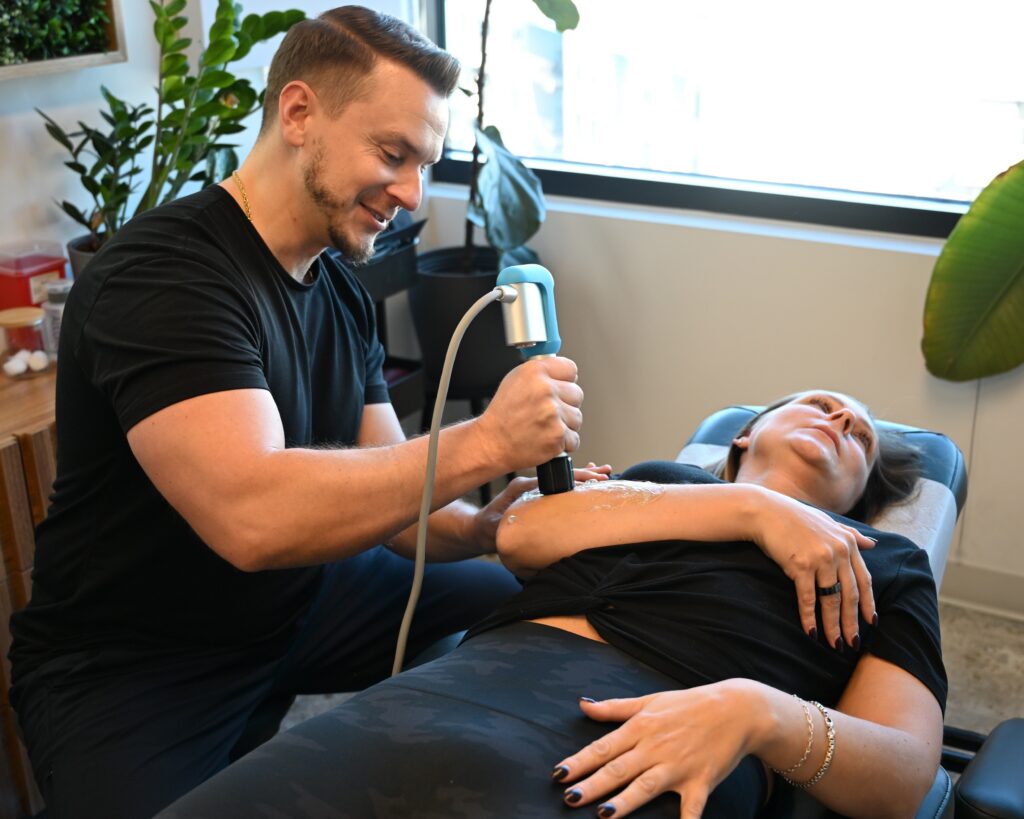
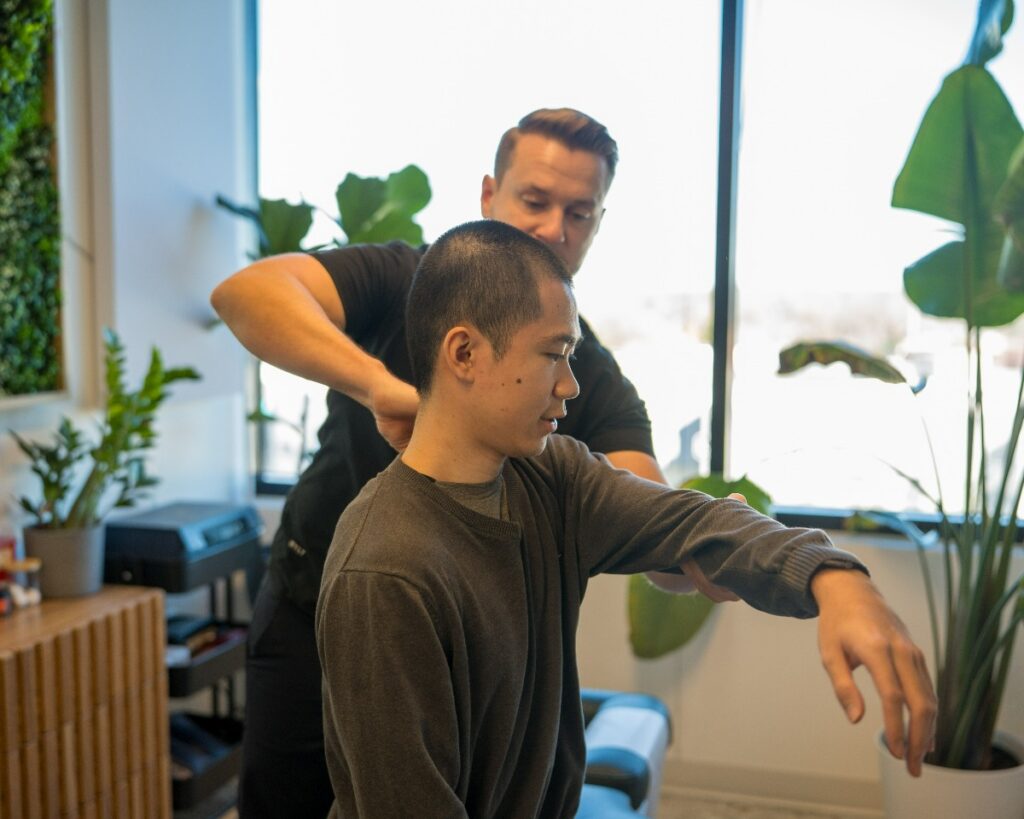
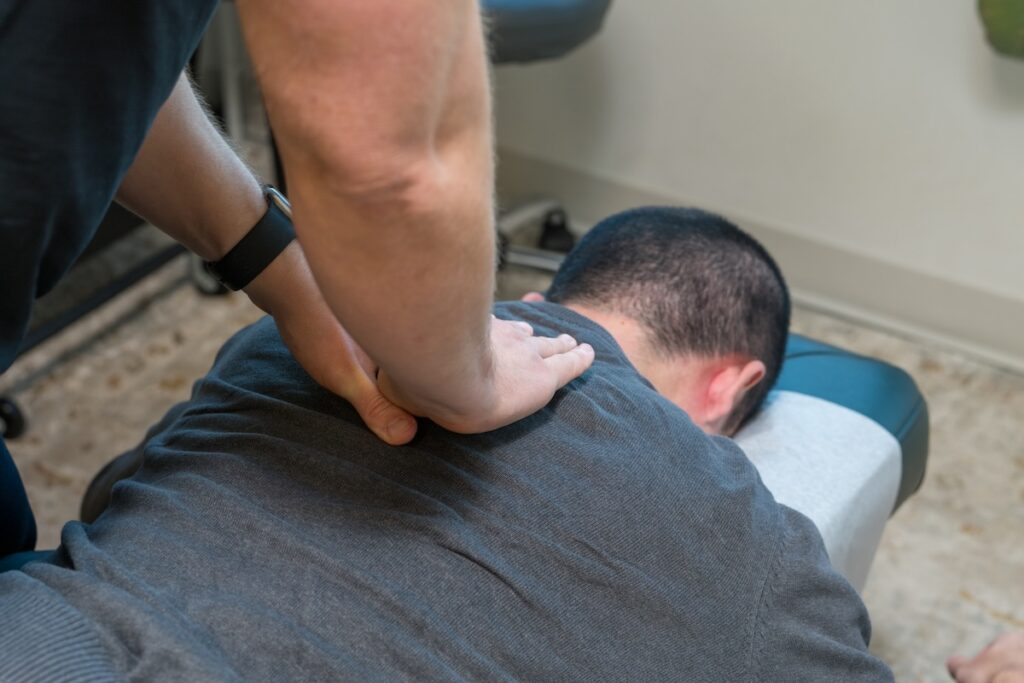
Care may include gentle chiropractic adjustments to restore joint motion, soft tissue techniques to ease tight muscles, and specific exercises to build strength and resilience. Ergonomic coaching and movement strategies help your gains stick when you leave the office. The goal is better comfort and function in real life, not perfect posture on a poster.
Evidence generally supports non-invasive care, activity, and patient education for spine-related discomfort. Many people do well with a mix of hands-on care and simple home strategies. Your plan is tailored to you — your body, your job, and your goals.
What Care Looks Like at Feel Good Chiropractic
At Feel Good Chiropractic in Charlotte, we start by listening. We want to understand your routines, the positions that flare things up, and what a good day looks like for you. Then we do a thorough exam to check mobility, muscle tone, and movement patterns.
We create a clear plan that fits your life. You’ll know what we’re doing, why we’re doing it, and what you can do at home. We track progress in simple ways, like range of motion, strength, and your daily comfort. If something isn’t helping, we adjust the plan.
Your comfort and autonomy matter. We explain options, get your consent, and respect your preferences. If your case calls for imaging or a medical referral, we’ll help coordinate that. Most people appreciate that care stays as minimal and gentle as possible while still being effective.
At-Home Support: Simple Ways to Feel Better
Small, steady changes often add up. Try one or two and build from there. These aren’t cures, but they can support your body while we address the bigger picture together.
- Bring the screen up. Lift your phone or prop your laptop so your eyes meet the top third of the screen. Use a stand for longer sessions.
- Use the 20-8-2 rhythm. For every 30 minutes, aim for about 20 minutes sitting, 8 minutes standing, 2 minutes moving or stretching gently.
- Try “chin tucks” and shoulder rolls. Gentle re-centering moves help counter forward head posture. Stop if anything causes pain.
- Open up the chest. A rolled towel along the upper back for a minute or two can feel relieving. Keep it comfortable.
- Relax your breath. Slow, easy belly breathing reduces upper shoulder tension and helps your neck muscles stop overworking.
- Set reminders. Use a phone cue or watch buzz to change positions and take quick micro-breaks during the day.
When to See a Chiropractor in Charlotte
If neck or upper back tension keeps returning despite your efforts, a personalized plan may help. Consider a visit when aches last a few weeks, you notice headaches after screen time, or you feel stiff turning your head to drive. Gentle, consistent care often helps you move and sit with less tension.
Chiropractic care can also be useful for students, new parents, and desk-based professionals who want a plan that fits tight schedules. Early attention often means fewer flare-ups later. If we spot anything that needs medical input, we’ll connect you with the right team.
Safety First: Red Flags That Need Medical Care
Most neck discomfort related to tech use is not urgent. Still, it’s important to know when to seek medical care first. Please contact a medical professional or urgent care promptly if you notice any of the following.
- Severe, unrelenting neck pain after a fall, accident, or injury
- New numbness, weakness, or loss of coordination in an arm or hand
- Changes in bowel or bladder control
- Fever, unexplained weight loss, or night pain that doesn’t ease with position changes
- Headache that’s sudden and severe (“worst headache of my life”), vision changes, or confusion
Myths vs. Facts About Text Neck
| Myth | Fact |
|---|---|
| Text neck means your spine is permanently damaged. | Most cases reflect irritation from posture and load. With better habits and care, comfort and mobility often improve. |
| Only teenagers get text neck. | All ages can feel it. We see students, professionals, caregivers, and active retirees in Charlotte with similar patterns. |
| The solution is to stop using your phone. | You don’t have to quit tech. Raising the screen, moving more, and smart breaks often reduce symptoms. |
| Good posture means sitting perfectly straight all day. | There’s no single perfect posture. Variety, movement, and comfort are usually more helpful than stiffness or rigidity. |
| Chiropractic is only about “cracking” the neck and is one-size-fits-all. | Chiropractic includes many gentle options and is individualized. Techniques are chosen based on your comfort, goals, and exam findings. |
A Calm, Local Closing
If you’re in Charlotte and your neck feels tired from phone or laptop time, you’re not alone. Modern life asks a lot from our spines, but there are good ways to adapt. At Feel Good Chiropractic, we take a calm, practical approach that respects your preferences and daily reality.
Whether you need a short reset or a more structured plan, we’re here to listen, assess, and support you. No pressure. Just clear guidance and thoughtful care so you can move through your day with more ease.
FAQs
Is text neck a real medical diagnosis?
No. It’s a common phrase describing neck and upper back discomfort linked to frequent forward head posture. The underlying issues are usually related to muscle tension, joint stiffness, and movement habits.
Can chiropractic help with text neck?
Chiropractic care may help by improving joint motion, easing muscle tension, and coaching better ergonomics and movement. Results vary person-to-person, and plans are tailored to your needs.
Should I get imaging for neck pain from phone use?
Imaging is not always necessary for common, non-traumatic neck pain. Your chiropractor or medical provider can advise based on your history, exam, and any red flags.
How long does it take to feel better?
Timelines vary. Many people notice improvements within a few weeks when combining hands-on care with consistent home strategies. Your plan and check-ins help keep progress on track.
Do kids and teens get text neck?
Yes. Screen time, homework on tablets, and gaming can create similar patterns. Gentle posture coaching and movement breaks often help.
TL;DR
- Text neck describes neck and upper back strain from frequent forward head posture, especially with phones and laptops.
- Symptoms are signals. Small ergonomic changes and movement variety often reduce discomfort.
- Chiropractic care offers a conservative, individualized approach with adjustments, soft tissue work, and simple exercises.
- See a chiropractor if symptoms linger or keep returning; seek medical care for red flags like trauma, weakness, or severe headache.
- In Charlotte, Feel Good Chiropractic provides calm, practical care to help you feel and move better.