
If you’ve ever had a stubborn muscle knot that just wouldn’t go away — no matter how much you stretched, massaged, or rested — you’re not alone. Many people here in Charlotte, NC come to us frustrated after weeks or even months of dealing with deep, achy tension that never fully releases. At Feel Good Chiropractic And Wellness, one of the tools we use to address this kind of persistent muscle pain is dry needling. It’s a technique that more and more patients are curious about, and for good reason. When it’s applied correctly, it can make a real difference in how your muscles feel and function.
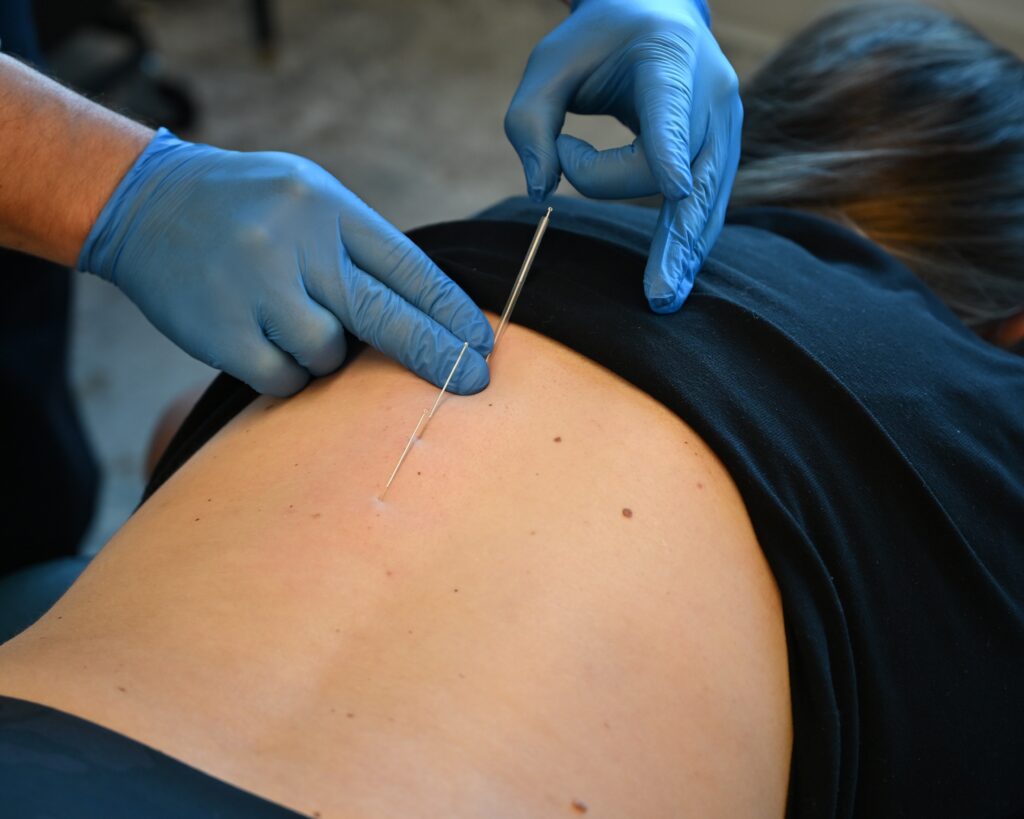
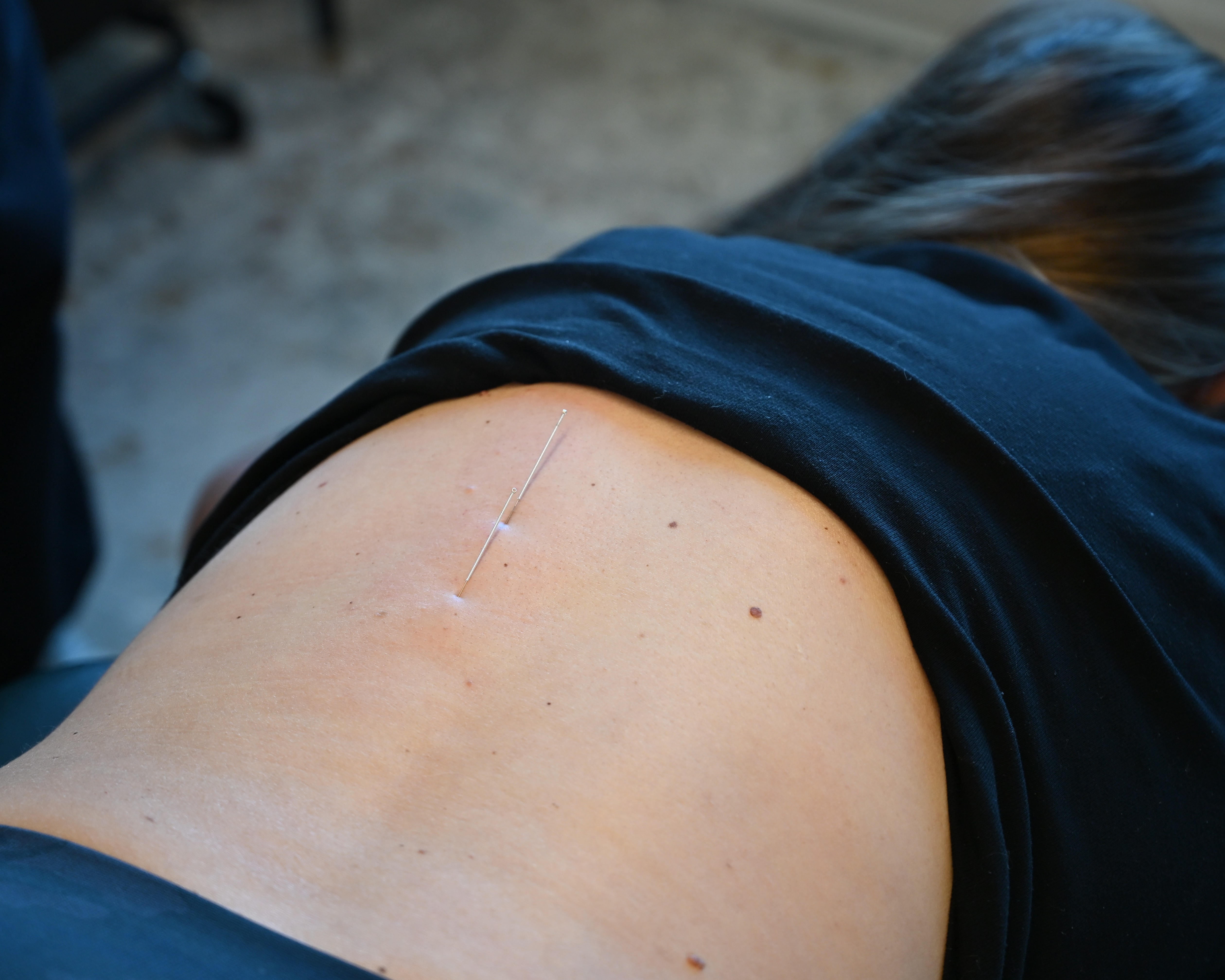
What is dry needling? Dry needling is a therapeutic technique that uses thin, solid filiform needles — similar to acupuncture needles — to target tight bands of muscle tissue known as trigger points. The goal is to release muscle tension, reduce pain, and restore normal movement. Unlike acupuncture, which is rooted in traditional Chinese medicine, dry needling is based on Western anatomy and musculoskeletal science.
- What Are Trigger Points and Muscle Knots?
- How Dry Needling Works on Trigger Points
- Common Causes of Trigger Points
- How Chiropractic Care and Dry Needling Work Together
- Practical Tips to Support Your Recovery
- When to See a Chiropractor About Muscle Knots
- Dry Needling vs. Other Soft Tissue Approaches
- Myths vs. Facts About Dry Needling
- Final Thoughts from Feel Good Chiropractic And Wellness
What Are Trigger Points and Muscle Knots?
Most people have felt a muscle knot at some point — that tight, tender lump in your neck, upper back, or shoulder that aches when you press on it. But what exactly is happening inside your muscle tissue when this occurs? Understanding this is key to understanding why dry needling can be so effective.
A trigger point is a hyperirritable spot within a taut band of skeletal muscle. It develops when muscle fibers become stuck in a contracted state and fail to release on their own. When you press on an active trigger point, it not only hurts locally but can also send pain to a different area of your body — a phenomenon called referred pain. For example, a trigger point in your upper trapezius muscle can cause headaches at the base of your skull or even behind your eye.
This referred pain pattern is one reason trigger points are so confusing. The place where you feel the pain isn’t always where the problem originates. That’s part of why self-treatment — like rubbing just the painful spot — often provides only temporary relief. The underlying trigger point may be somewhere entirely different.
Trigger points can be classified as either active or latent. Active trigger points cause pain at rest and with movement. Latent trigger points are tender when pressed but don’t cause spontaneous pain. Both types can restrict movement and contribute to muscle weakness, and both can benefit from treatment like dry needling.
How Dry Needling Works on Trigger Points
When a thin needle is inserted directly into a trigger point, it creates a small mechanical disruption in the taut muscle band. This disruption triggers what’s called a local twitch response — a brief, involuntary contraction of the muscle fiber. You might feel this as a quick muscle twitch or a brief cramp-like sensation. That response is actually a good sign. It indicates the needle has found and engaged the trigger point.
Following the local twitch response, several things happen. The muscle fiber is essentially “reset,” allowing it to relax and lengthen. Blood flow to the area improves, which helps clear out accumulated metabolic waste products that contribute to pain. The nervous system also receives a signal that disrupts the pain-spasm-pain cycle that keeps trigger points active. Research suggests that this combination of mechanical and neurological effects is what makes dry needling so helpful for people who haven’t found lasting relief through other means.
It’s important to understand that dry needling is not a one-size-fits-all fix. The number of sessions needed depends on how long the trigger points have been present, the number of affected muscles, your overall health, and how well you respond to treatment. Some people feel significant relief after just one or two sessions. Others with more chronic or widespread tension may need a longer course of care. Dr. Jesse Czajka at Feel Good Chiropractic And Wellness always evaluates each patient individually to determine the most appropriate approach.
The technique itself is relatively comfortable for most patients. The needles used are extremely thin — much finer than the needles used for injections or blood draws. You may feel a mild ache, pressure, or brief muscle twitch during the procedure, but significant pain is not typical. Many patients are surprised by how manageable the experience actually is.
Common Causes of Trigger Points
Trigger points don’t appear out of nowhere. They usually develop in response to stress — whether that’s physical, postural, or even emotional. Here in Charlotte, NC, many of our patients at Feel Good Chiropractic And Wellness spend long hours at desks, frequently drive on busy highways, or participate in sports and fitness activities that place repetitive demands on certain muscles. Any of these factors can set the stage for trigger point development.
Repetitive overuse is one of the most common culprits. When you use the same muscles in the same pattern day after day — typing at a keyboard, swinging a golf club, or lifting at the gym — those muscles can develop micro-irritations that eventually evolve into trigger points. The body tries to protect itself by guarding the area, which leads to more tightness and restricted movement over time.
Poor posture is another major contributor. Slouching at a desk, carrying a heavy bag on one shoulder, or sleeping in an awkward position can all place chronic, low-level strain on muscles. Over weeks and months, this kind of sustained tension creates the ideal environment for trigger points to form. This is particularly common in the neck, upper back, and hip muscles.
Acute injuries — like a sudden muscle strain, a car accident, or a sports collision — can also cause trigger points to form almost immediately. In these cases, the muscle goes into a protective spasm that can persist long after the initial injury has healed. This is one reason why people sometimes still experience pain and stiffness months after what seemed like a relatively minor incident.
Emotional stress plays a role too. Chronic stress causes the body to remain in a state of low-level muscular tension, particularly in the shoulders, neck, and jaw. Over time, this physical manifestation of stress can contribute to the development of trigger points even in the absence of any specific physical injury.
How Chiropractic Care and Dry Needling Work Together
One of the things that makes care at Feel Good Chiropractic And Wellness unique is the way different treatment approaches are combined to address the full picture of a patient’s pain and dysfunction. Dry needling and chiropractic adjustments are an excellent complement to one another — and here’s why.
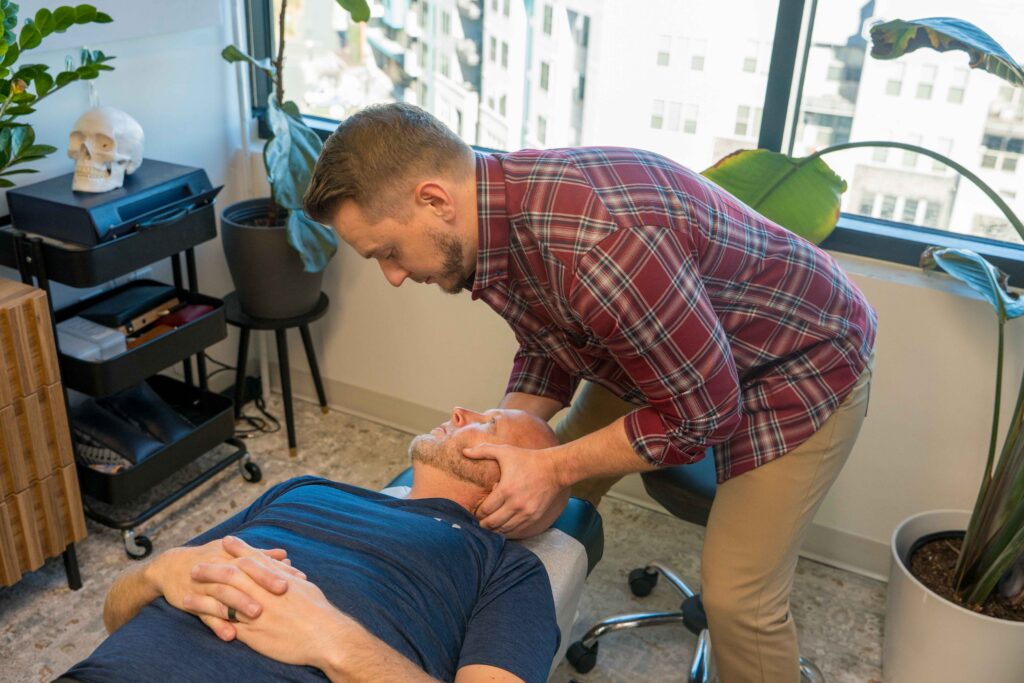
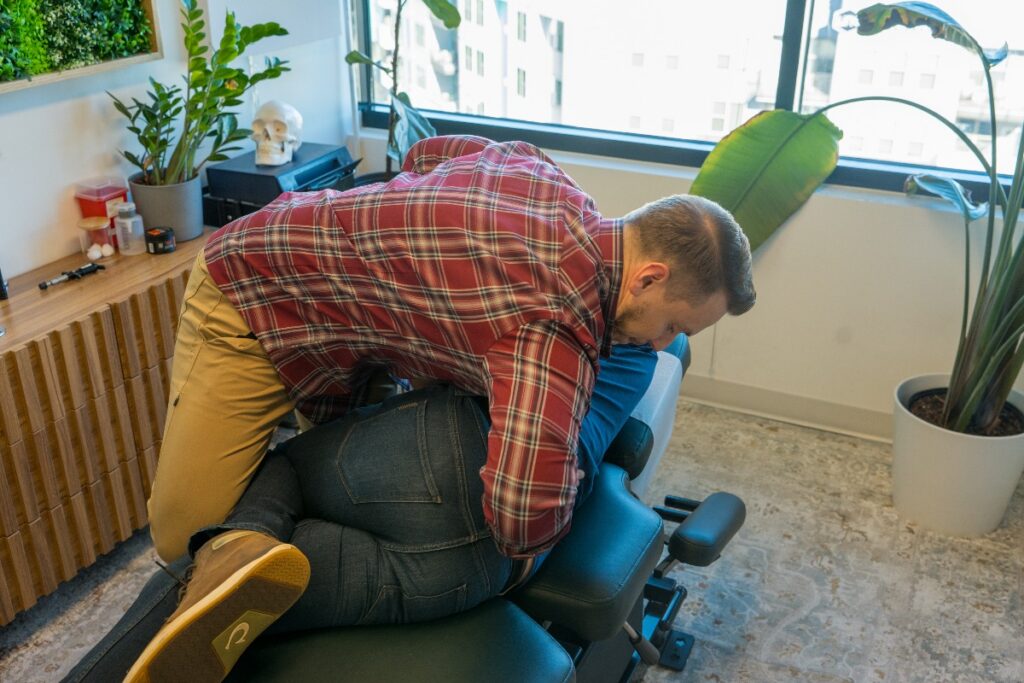
Chiropractic adjustments focus primarily on restoring proper joint mechanics, particularly in the spine and extremities. When joints are restricted or misaligned, the surrounding muscles often respond by tightening up to protect the area. This can actually cause or perpetuate trigger points in nearby muscle tissue. By restoring joint mobility through adjustments, Dr. Jesse Czajka reduces the mechanical stress that drives muscle tension in the first place.
Dry needling, on the other hand, works directly on the muscle tissue itself. It addresses the trigger points that have already formed and helps the muscles return to a normal, relaxed state. When used together with chiropractic care, the results are often more complete and longer-lasting than either approach alone. The joints move better, and the muscles surrounding them can actually maintain that improved mobility instead of immediately tightening back up.
Beyond adjustments and dry needling, Dr. Jesse Czajka may also incorporate other supportive therapies such as soft tissue work, therapeutic exercise guidance, and postural education. This comprehensive approach ensures that care doesn’t just address your current symptoms — it helps build a foundation for lasting musculoskeletal health.
Practical Tips to Support Your Recovery
Receiving dry needling treatment is an important step, but what you do between sessions matters just as much. The body continues to heal and adapt long after you leave the office, and simple daily habits can either support or undermine that process.
Staying hydrated is one of the simplest and most overlooked recovery habits. Muscle tissue relies on adequate hydration to function well, and dehydrated muscles are more prone to developing tightness and trigger points. Aim to drink enough water throughout the day, especially after a dry needling session when the muscles are actively releasing and recovering.
Gentle movement after treatment is generally encouraged. Light walking, easy stretching, or even just moving around your home or office helps flush out the metabolic byproducts released when trigger points are disrupted. Avoid intense exercise immediately after a session, as your muscles may feel temporarily tender and need a bit of time to recover fully.
Paying attention to your ergonomic setup at work can make a meaningful long-term difference. Many Charlotte residents spend the majority of their day at a computer, and a poorly configured workstation is one of the most common drivers of neck and upper back trigger points. Make sure your monitor is at eye level, your chair supports your lower back, and your keyboard and mouse allow your arms to rest comfortably at your sides.
Sleep position is also worth considering. Sleeping on your stomach puts significant strain on the neck and lower back. Sleeping on your side with a pillow that keeps your head aligned with your spine is generally a better option for muscle recovery and overall spinal health.
When to See a Chiropractor About Muscle Knots
Many people wait far too long to seek help for muscle pain, assuming it will eventually go away on its own. And sometimes it does. But when muscle knots and trigger points persist for more than a week or two, or when they keep coming back in the same spots, that’s a sign your body needs some outside help to break the cycle.
You should consider making an appointment at Feel Good Chiropractic And Wellness in Charlotte if you’re experiencing persistent muscle tension that doesn’t improve with rest, recurring headaches that seem to originate from your neck or shoulders, pain that limits your range of motion or makes everyday tasks uncomfortable, or muscle tightness that returns quickly after massage or stretching.
There are also situations where muscle pain warrants more urgent medical attention. If you experience pain that is accompanied by significant weakness, numbness, tingling, or loss of bladder or bowel function, please seek immediate medical care rather than chiropractic treatment first. These symptoms may indicate nerve involvement or other conditions that require a different level of assessment. Dr. Jesse Czajka is committed to ensuring every patient receives the most appropriate care for their specific situation — and that includes referring out when necessary.
Dry Needling vs. Other Soft Tissue Approaches
| Approach | How It Works | Best For | Limitations |
|---|---|---|---|
| Dry Needling | Thin needle inserted into trigger point to elicit a twitch response and release muscle tension | Deep trigger points, chronic muscle tension, referred pain patterns | Temporary soreness after session; multiple sessions may be needed |
| Massage Therapy | Manual pressure applied to soft tissue to improve circulation and reduce tension | General muscle relaxation, mild to moderate tension | May not reach deep trigger points; effects can be short-lived without addressing root cause |
| Foam Rolling / Self-Myofascial Release | Sustained pressure applied by the individual to release fascial adhesions | Mild muscle tightness, warm-up and cool-down routines | Difficult to target specific trigger points accurately; limited effect on deep tissue |
| Chiropractic Adjustment | Controlled force applied to restricted joints to restore mobility | Joint restriction, spinal alignment, reducing muscle guarding | Addresses joints primarily; trigger points in muscle tissue may still require direct treatment |
| Stretching | Lengthening muscles through sustained or dynamic movement | Maintaining flexibility, preventing tightness | Stretching alone often cannot fully deactivate established trigger points |
Myths vs. Facts About Dry Needling
Myth: Dry needling is the same as acupuncture.
Fact: While both techniques use thin needles, they are based on entirely different frameworks. Acupuncture is rooted in traditional Chinese medicine and aims to balance energy flow along meridians. Dry needling is based on Western musculoskeletal science and anatomy, specifically targeting trigger points within muscle tissue to address pain and dysfunction. The needles may look similar, but the clinical reasoning and application are distinct.
Myth: Dry needling is extremely painful.
Fact: Most patients find dry needling to be far more comfortable than they expected. The needles are extremely fine, and the sensation is very different from an injection. You may feel a brief muscle twitch or a dull ache during the procedure, but these sensations are typically short-lived and are actually signs that the treatment is working as intended.
Myth: If you feel sore after dry needling, something went wrong.
Fact: Mild soreness in the treated area for 24 to 48 hours after a dry needling session is completely normal and expected. It’s similar to the feeling of muscle soreness after a good workout. This is simply the muscle responding to the treatment and beginning to heal. It does not indicate injury or a negative outcome.
Myth: Dry needling is only for athletes or people with sports injuries.
Fact: Dry needling can benefit a wide range of people — office workers with chronic neck tension, older adults with hip or shoulder tightness, individuals recovering from car accidents, and yes, athletes dealing with overuse injuries. Trigger points can develop in anyone, and dry needling is a versatile technique that has been shown to help across many patient populations.
Myth: One session of dry needling is all you need.
Fact: While some patients do experience significant improvement after a single session, most people with established trigger points benefit from a series of treatments. The number of sessions depends on how chronic the condition is, how many muscles are involved, and how the individual responds to treatment. A thorough evaluation, like the one Dr. Jesse Czajka provides at Feel Good Chiropractic And Wellness, helps determine a realistic and individualized care plan.
Final Thoughts from Feel Good Chiropractic And Wellness
Living with persistent muscle knots and trigger points doesn’t have to be your normal. Whether your tension stems from long hours at a desk, an old injury that never fully healed, or the everyday physical demands of life in Charlotte, NC, there are real, effective options available to you. Dry needling is one of those options — and when it’s part of a thoughtful, comprehensive care plan, it can genuinely change the way your body feels and moves.
At Feel Good Chiropractic And Wellness, Dr. Jesse Czajka is committed to helping every patient understand what’s happening in their body and why a particular approach makes sense for their specific situation. We never rush through an evaluation or apply a one-size-fits-all solution. Every person who walks through our door deserves individualized, attentive care — and that’s exactly what we aim to provide.
If you’ve been dealing with stubborn muscle pain and haven’t found lasting relief, we’d encourage you to reach out. Our team is here to help you understand your options, answer your questions honestly, and work with you toward the kind of genuine relief that lets you get back to the activities and the life you enjoy. The Charlotte community deserves to feel good — and we’re here to help make that happen.
Frequently Asked Questions
Is dry needling safe?
Dry needling is generally considered safe when performed by a trained and qualified practitioner. The needles are sterile and single-use, which eliminates the risk of cross-contamination. As with any technique, there are minor risks such as temporary soreness or slight bruising at the needle site, but serious adverse events are rare when proper protocols are followed.
How many dry needling sessions will I need?
The number of sessions varies depending on how chronic your trigger points are, how many muscles are involved, and how your body responds to treatment. Some patients notice meaningful improvement within two to three sessions, while others with more long-standing tension may benefit from a longer course of care. Dr. Jesse Czajka will discuss realistic expectations with you after a full evaluation.
Can dry needling help with headaches?
Yes, dry needling may be helpful for tension-type headaches and cervicogenic headaches — those that originate from trigger points in the neck and upper shoulder muscles. Evidence indicates that addressing trigger points in these areas can reduce both the frequency and intensity of headache episodes. A proper evaluation helps determine whether trigger points are contributing to your specific headaches.
What is the difference between dry needling and a trigger point injection?
A trigger point injection uses a hypodermic needle to inject a substance — such as a local anesthetic or saline — into the trigger point. Dry needling uses a thin solid needle with no injection involved. Research suggests both approaches can be effective, but dry needling offers the benefit of not requiring any medication or injectable substance.
Will my muscles be sore after dry needling?
Mild muscle soreness for 24 to 48 hours after a session is very common and completely normal. Think of it as similar to the post-workout soreness you might feel after exercising a muscle that hasn’t been worked in a while. Gentle movement, hydration, and heat application can all help ease that temporary soreness.
Can dry needling be combined with chiropractic adjustments?
Absolutely. In fact, combining dry needling with chiropractic adjustments often produces better results than either approach on its own. Adjustments restore joint mobility and reduce mechanical stress on surrounding muscles, while dry needling directly addresses the trigger points within the muscle tissue itself. At Feel Good Chiropractic And Wellness in Charlotte, NC, these approaches are often integrated into a single comprehensive care plan.
TL;DR Summary
- Trigger points are tight, hyperirritable spots in muscle tissue that cause local and referred pain — dry needling targets these directly using thin, solid needles.
- The technique works by causing a local twitch response in the muscle, which resets the contracted fibers, improves blood flow, and disrupts the pain-spasm cycle.
- Common causes of trigger points include repetitive overuse, poor posture, acute injury, and chronic stress — all very common concerns for Charlotte residents.
- Dry needling and chiropractic care work especially well together, addressing both joint mechanics and muscle tissue for more complete, lasting relief.
- If you have persistent muscle knots that don’t respond to rest or self-treatment, it may be time to visit Dr. Jesse Czajka at Feel Good Chiropractic And Wellness in Charlotte, NC for a thorough evaluation.