
Hip pain that seems to appear out of nowhere can be alarming. One day you’re going about your normal routine, and the next you’re limping to your car or wincing every time you get up from a chair. If you’ve been asking yourself, “Why does my hip hurt all of a sudden?” — you’re not alone. Sudden hip pain is one of the most common complaints that brings patients into our office here in Charlotte, NC. The good news is that most causes are very treatable, and understanding what’s going on is the first step toward feeling better.
What Is Sudden Hip Pain?
Sudden hip pain defined: Sudden hip pain refers to discomfort in or around the hip joint that comes on unexpectedly — without a clear, obvious traumatic injury like a fall. It can feel like a sharp ache, a dull throb, stiffness, or even a burning sensation that radiates into the groin, thigh, or lower back. It can happen during activity or even while you’re resting.
Common Causes of Sudden Hip Pain
When hip pain appears without an obvious injury, there’s almost always something going on beneath the surface. The hip joint is a complex ball-and-socket joint surrounded by muscles, tendons, ligaments, nerves, and fluid-filled sacs called bursae. Any one of these structures can become irritated or inflamed — sometimes without a dramatic triggering event. Here are some of the most common culprits.
Bursitis
Hip bursitis is one of the most frequent causes of sudden hip pain. The bursae are small sacs filled with fluid that cushion the bones and soft tissues around your hip. When they become inflamed — often from repetitive movement, prolonged sitting, or a minor bump — you may feel a sharp, aching pain on the outside of your hip. It can flare up when you climb stairs, lie on the affected side, or sit for long periods. Many of our Charlotte patients are surprised to learn that something as simple as their desk chair can trigger bursitis over time.
Hip Flexor Strain
The hip flexors are a group of muscles that allow you to lift your knee and bend at the waist. They’re heavily involved in walking, running, and even sitting. When these muscles are overworked or stretched beyond their limit — during yard work, an intense workout, or even just stepping awkwardly — they can strain or partially tear. The result is a sudden, sharp pain in the front of the hip or groin. This is especially common among active adults and those who sit for most of the day and then try to do too much at once.
Sacroiliac Joint Dysfunction
The sacroiliac (SI) joint connects your lower spine to your pelvis. When this joint becomes irritated, misaligned, or inflamed, it can cause pain that feels like it’s coming from the hip but is actually originating from the back of your pelvis. SI joint dysfunction is a very common finding in chiropractic practice and often goes undiagnosed because patients assume they’ve simply strained a hip muscle. Dr. Jesse Czajka frequently evaluates the SI joint as part of a thorough hip pain assessment at Feel Good Chiropractic And Wellness.
Osteoarthritis of the Hip
Arthritis doesn’t always creep in slowly. For some people, hip osteoarthritis can cause a sudden increase in pain, particularly after a period of increased activity, weather changes, or a minor incident that inflames already-irritated cartilage. The hip joint gradually loses its protective cartilage over time, and at some point the discomfort can go from manageable to significant seemingly overnight. This is something Dr. Jesse Czajka pays close attention to when evaluating patients who are middle-aged or older and reporting new onset hip discomfort.
Labral Tears
The labrum is a ring of cartilage that lines the rim of the hip socket, helping to keep the ball of the femur securely in place. A labral tear can occur from repetitive twisting, athletic activity, or structural issues like hip impingement. It often causes a catching, locking, or clicking sensation deep in the hip, along with sudden pain during certain movements. While labral tears sometimes require imaging to confirm, a thorough physical examination can often point in that direction.
Referred Pain from the Lumbar Spine
This one surprises a lot of people. Sometimes what feels like hip pain is actually coming from your lower back. Nerve roots that exit the lumbar spine travel down through the pelvis and into the hip and thigh. When these nerves are compressed or irritated — from a herniated disc, spinal stenosis, or joint irritation — the pain can show up directly in the hip region. In chiropractic care, this is referred to as referred pain, and it’s one reason why a full spinal and pelvic evaluation is so important.
Understanding Hip Anatomy and Why It Matters
The hip joint is one of the largest weight-bearing joints in the body. It’s designed to handle significant stress, but that also means it’s involved in nearly every movement you make — walking, sitting, standing, climbing stairs, and even sleeping on your side. The ball of the femur (thigh bone) sits inside a cup-shaped socket in the pelvis called the acetabulum. Surrounding this joint is a thick network of muscles, tendons, ligaments, and nerves that all work together to keep things stable and moving smoothly.
When one part of this system is off — whether it’s a tight muscle, an inflamed bursa, or a misaligned pelvis — it affects the others. That’s why hip pain can be so tricky. The source of your pain is often not exactly where you feel it. A chiropractor looks at the entire kinetic chain: the spine, pelvis, hip, and surrounding soft tissues to find where the real problem originates.
Signs and Symptoms to Watch For
Not all hip pain is the same, and the way your pain presents can give important clues about its cause. Pain on the outside of the hip that worsens when lying on it often points to bursitis. Pain deep in the groin or front of the hip with movement may suggest a labral issue or hip flexor strain. Stiffness and aching that’s worse in the morning and improves with gentle movement may be related to arthritis. Pain that radiates down the leg or comes with tingling or numbness could indicate a nerve component originating in the spine.
If your pain came on suddenly after starting a new exercise routine, sitting for unusually long periods, or doing heavy lifting, those are important details to share when you come in for an evaluation at Feel Good Chiropractic And Wellness in Charlotte, NC. Context matters enormously in figuring out what’s going on and how to address it.
How Chiropractic Care Fits Into Hip Pain Relief
Chiropractic care takes a non-invasive, drug-free approach to understanding and addressing the root cause of hip pain. Rather than simply masking symptoms, the goal is to identify what’s creating the problem and restore proper function to the joints and surrounding structures. Evidence from sources like the American Chiropractic Association and peer-reviewed literature suggests that conservative care — including chiropractic adjustments and soft tissue techniques — can be an effective first-line approach for many forms of musculoskeletal hip pain.
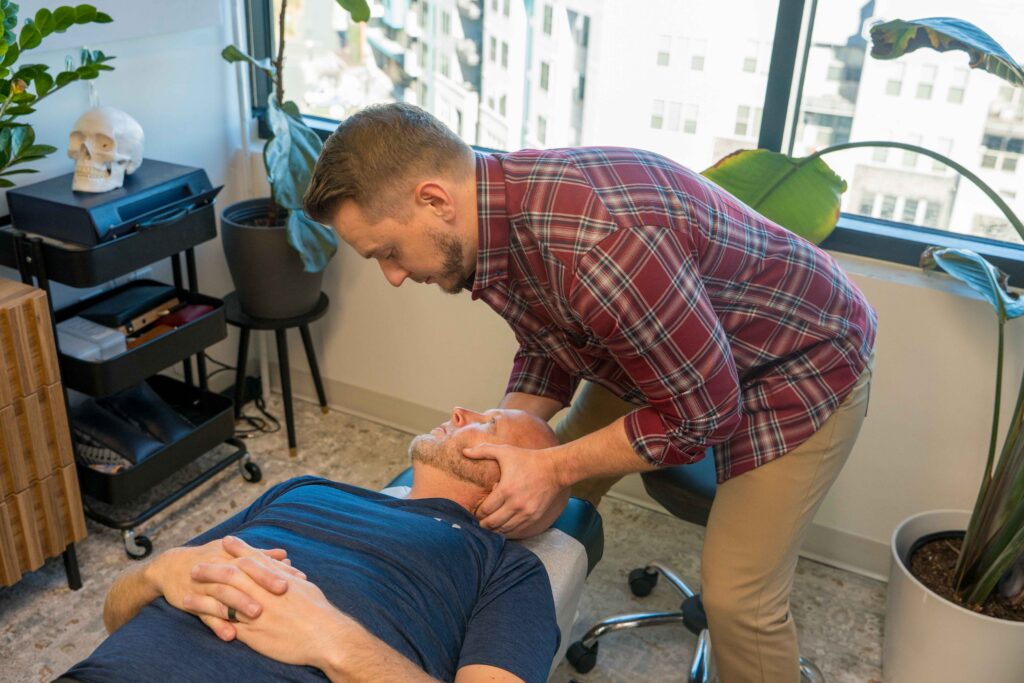
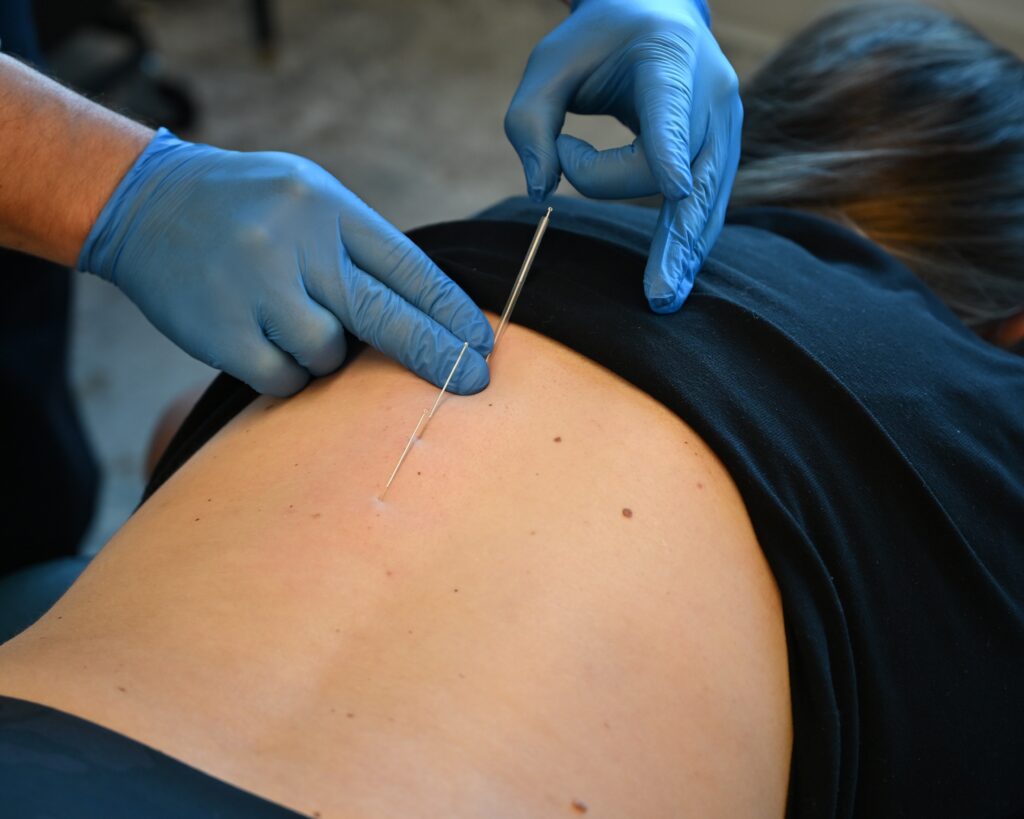
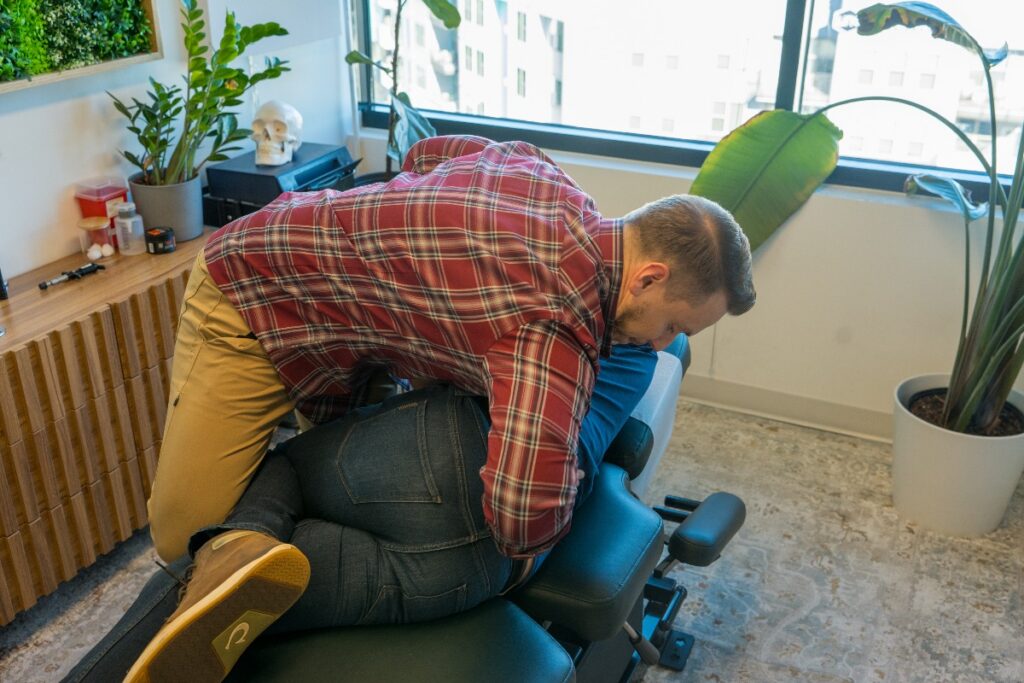
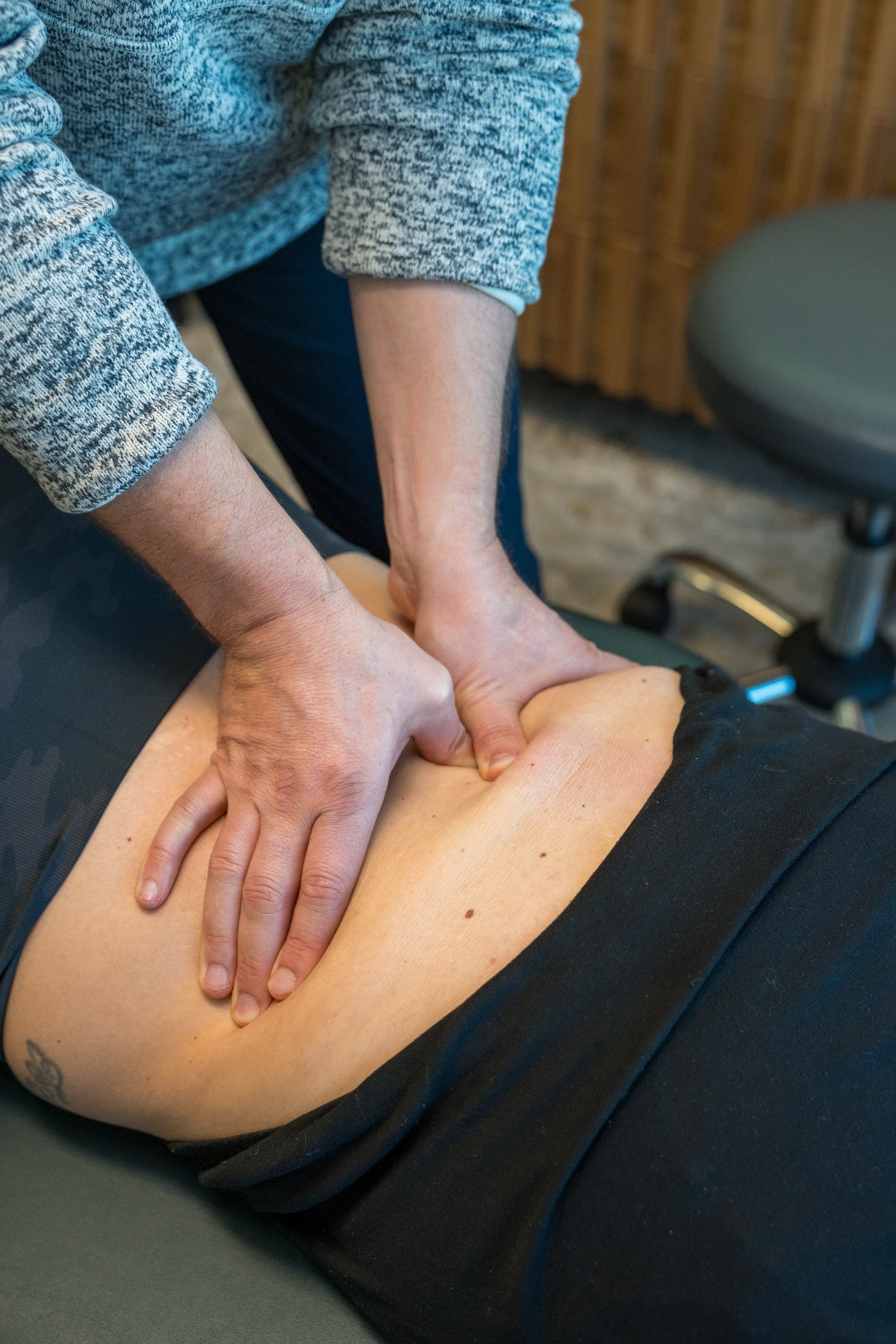
At Feel Good Chiropractic And Wellness, Dr. Jesse Czajka begins with a thorough evaluation that includes looking at how you move, assessing your spinal alignment, and examining the pelvis and hip joint directly. Chiropractic adjustments to the lumbar spine and pelvis can relieve pressure on nerves and restore proper joint mechanics. Soft tissue work may also be incorporated to address muscle tension, trigger points, and fascial restrictions around the hip. The treatment is individualized — because no two hips are the same.
Chiropractic care also helps improve mobility and movement patterns that may have contributed to the pain in the first place. Many patients in the Charlotte community find that once their alignment and movement are addressed, they feel better throughout their entire body — not just in their hip.
Practical Tips to Help Manage Hip Pain at Home
While professional evaluation is always the best starting point, there are several things you can do at home to support your recovery and avoid making things worse. These are general wellness recommendations — not a substitute for care.
First, pay attention to how you’re sitting. Spending hours in a chair with poor support can compress the hip flexors and irritate the SI joint. Try to shift positions regularly, take short walks throughout the day, and avoid crossing your legs, which can twist the pelvis.
Second, gentle movement is typically better than bed rest for most hip conditions. Light walking, stretching the hip flexors and glutes, and avoiding prolonged static positions can help maintain circulation and reduce stiffness. That said, avoid pushing through sharp or worsening pain — that’s your body asking you to slow down.
Third, consider your sleep position. Sleeping on the affected hip can increase inflammation and pain. Try sleeping on your back with a pillow under your knees, or on your opposite side with a pillow between your knees to keep the pelvis aligned.
Finally, heat or ice can offer temporary comfort. Ice tends to be more helpful in the first 48-72 hours after a flare-up to reduce inflammation, while heat can ease muscle tension and stiffness that comes with more chronic presentations. Always use a cloth barrier to protect your skin.
When to See a Chiropractor for Hip Pain
Many people wait far too long before seeking care for hip pain. A good rule of thumb: if your hip pain has lasted more than a few days without improvement, or if it’s affecting your ability to walk, sleep, or carry out daily activities, it’s time to get it checked out. Catching a problem early often leads to faster resolution and less time dealing with discomfort.
You should also seek care if your pain is accompanied by stiffness that limits your range of motion, if it started after a change in activity level, or if you notice it radiating into your thigh, groin, or lower back. Dr. Jesse Czajka at Feel Good Chiropractic And Wellness in Charlotte is experienced in evaluating these kinds of presentations and can help determine whether chiropractic care is right for you or whether additional imaging or referral is appropriate.
There are also situations where hip pain warrants more urgent medical attention. If your pain followed a significant fall or trauma, if you have difficulty bearing weight, if you notice significant swelling or bruising, or if you have a history of osteoporosis and experience a sudden onset of severe hip pain, please seek emergency or urgent medical care right away. These may be signs of a fracture or other serious injury that need immediate evaluation beyond chiropractic scope.
Hip Pain Causes at a Glance
|
Condition |
Common Location of Pain |
Typical Trigger |
Key Characteristic |
|---|---|---|---|
|
Hip Bursitis |
Outside of the hip |
Repetitive activity, prolonged sitting |
Worse when lying on the affected side |
|
Hip Flexor Strain |
Front of hip / groin |
Overexertion, sudden movement |
Sharp pain with lifting the knee |
|
SI Joint Dysfunction |
Back of pelvis / buttock |
Misalignment, postural stress |
Often mistaken for hip or low back pain |
|
Osteoarthritis |
Deep in the hip / groin |
Wear and tear, activity increase |
Morning stiffness, improves with movement |
|
Labral Tear |
Deep groin / front of hip |
Twisting, impingement, athletics |
Clicking or catching sensation |
|
Referred Lumbar Pain |
Hip, thigh, outer leg |
Disc or nerve irritation in spine |
May include numbness or tingling |
Myths vs. Facts About Hip Pain
Myth: Hip Pain Only Happens to Older People
Fact: Hip pain affects people of all ages. Younger adults and even teenagers can experience hip bursitis, labral tears, hip flexor strains, and SI joint dysfunction. Active individuals, those with desk jobs, and people with postural imbalances are all susceptible — regardless of age. In our Charlotte practice, we regularly see patients in their 20s and 30s dealing with significant hip discomfort.
Myth: If the Pain Came on Suddenly, It Must Be Serious
Fact: A sudden onset doesn’t automatically mean a serious injury. Many causes of sudden hip pain — like bursitis or a mild muscle strain — respond very well to conservative care. Of course, sudden pain after trauma or with red flag symptoms does warrant prompt attention, but sudden onset alone is not a reason to panic. Getting evaluated is the smart first move.
Myth: Rest Is Always the Best Treatment for Hip Pain
Fact: While rest is important immediately after an acute injury, prolonged rest can actually make many hip conditions worse. Extended inactivity can cause muscles to weaken, joints to stiffen, and recovery to slow. Gentle, appropriate movement guided by a healthcare professional is generally much more effective than complete rest.
Myth: Hip Pain Always Means You Need Hip Surgery
Fact: The vast majority of hip pain cases do not require surgery. Organizations like the American College of Physicians recommend conservative care — including manual therapy, exercise, and lifestyle modification — as a first-line approach for musculoskeletal pain. Surgery is typically considered only after conservative options have been exhausted over a significant period of time.
Myth: Chiropractic Care Only Treats Back Pain
Fact: Chiropractors are trained to evaluate and care for the entire musculoskeletal system, including the hips, pelvis, knees, and shoulders. Because the spine and pelvis are so closely connected to hip function, chiropractic adjustments and soft tissue work are often highly relevant in addressing hip pain at its root.
Final Thoughts from Feel Good Chiropractic And Wellness
If you’ve been wondering why your hip suddenly started hurting, you deserve a real answer — not just a prescription for pain medication and a “wait and see” approach. Here in Charlotte, NC, the team at Feel Good Chiropractic And Wellness, led by Dr. Jesse Czajka, is committed to helping you understand what’s actually going on in your body and finding the most effective, natural path forward.
Hip pain doesn’t have to slow you down for long. Whether it’s your first time dealing with it or you’ve been struggling on and off for a while, a thorough evaluation can make all the difference. We take pride in serving the Charlotte community with care that’s thoughtful, personalized, and grounded in real clinical experience. You don’t have to just live with it — and you don’t have to figure it out alone.
If your hip is hurting and you’re looking for answers, we’d love to help you find them. Come see us at Feel Good Chiropractic And Wellness and let’s get you moving comfortably again.
Frequently Asked Questions About Sudden Hip Pain
Can a chiropractor help with sudden hip pain?
Yes, chiropractors are trained to evaluate and address many musculoskeletal causes of hip pain, including SI joint dysfunction, referred pain from the lumbar spine, muscle imbalances, and joint restrictions. Dr. Jesse Czajka at Feel Good Chiropractic And Wellness will perform a thorough assessment to determine whether chiropractic care is the right fit for your specific situation.
How long does sudden hip pain usually last?
This depends entirely on the cause. A mild hip flexor strain may resolve within a week or two with proper care, while bursitis or SI joint dysfunction can linger for weeks or months without treatment. Early evaluation and appropriate care generally lead to faster recovery outcomes.
Could my hip pain actually be coming from my back?
Absolutely — this is more common than most people realize. The nerves that supply the hip and thigh originate in the lumbar spine, and problems like disc irritation or spinal joint dysfunction can create pain that feels like it’s in the hip. A chiropractic examination can help differentiate between true hip pain and referred pain from the spine.
Is it safe to exercise with hip pain?
In most cases, gentle movement is encouraged, but high-impact or strenuous activity should be avoided until the cause of your pain is identified. Exercising through sharp or worsening pain can make the underlying issue worse. A chiropractor or your healthcare provider can guide you on what’s appropriate for your specific condition.
What does hip bursitis feel like?
Hip bursitis typically causes aching or burning pain on the outside of the hip that may worsen when climbing stairs, walking long distances, or lying on the affected side at night. It can appear to come on suddenly, especially after an increase in physical activity or extended time sitting on hard surfaces.
When should I go to the emergency room for hip pain?
Seek emergency care if your hip pain follows a significant fall or accident, if you cannot bear weight on the leg at all, if there is visible deformity, significant swelling, or if you have severe pain along with fever. These signs may indicate a fracture or other serious condition requiring immediate medical attention.
TL;DR
-
Sudden hip pain is very common and has many causes, including bursitis, hip flexor strain, SI joint dysfunction, arthritis, labral tears, and referred pain from the spine.
-
The location, quality, and triggers of your hip pain offer important clues about its source — and a professional evaluation is the most reliable way to find out what’s actually going on.
-
Chiropractic care offers a non-invasive, drug-free approach that addresses the root cause of hip pain rather than just the symptoms.
-
Most hip pain does not require surgery and responds well to conservative care when caught and treated appropriately.
-
If your hip pain is lasting more than a few days, affecting your daily life, or is accompanied by neurological symptoms, it’s time to see Dr. Jesse Czajka at Feel Good Chiropractic And Wellness in Charlotte, NC.