
Most people assume that joint pain, stiffness, and back problems come from dramatic injuries — a car accident, a sports collision, or lifting something far too heavy. But the truth is, most of the wear and tear on your body builds up slowly, quietly, and almost invisibly through the small, repetitive movements you make every single day. These everyday habits and motions are often the real culprits behind chronic neck pain, low back discomfort, and degenerative joint changes that show up years down the road. Understanding which movements are secretly stressing your spine and joints is one of the most empowering things you can do for your long-term health.
What Is Everyday Wear and Tear?
Wear and tear refers to the gradual breakdown of joint cartilage, spinal discs, ligaments, and surrounding soft tissue over time. It is not caused by a single event but by repeated mechanical stress in patterns your body was not designed to sustain for hours on end. The good news is that awareness — and simple adjustments to how you move — can make a meaningful difference.
What Causes Everyday Wear and Tear?
The human body is remarkably resilient, but it was designed for variety in movement, not repetition. Our ancestors walked, crouched, lifted, climbed, and rested in a wide range of postures throughout each day. Modern life has compressed most of our movement into just a handful of patterns — sitting at a desk, looking down at a phone, reaching forward toward a steering wheel, and sleeping in the same position night after night.
When the same joints and soft tissues are loaded in the same way repeatedly, they never get the recovery they need. Cartilage in your spine and peripheral joints relies on movement and varied loading to stay nourished, because it has no direct blood supply. Spinal discs work similarly — they depend on the pumping action of movement to absorb nutrients and expel waste. When that movement becomes one-dimensional, degeneration can begin earlier than it should.
Here in Charlotte, NC, Dr. Jesse Czajka sees this pattern regularly at Feel Good Chiropractic And Wellness. Many patients arrive not after a dramatic injury, but after months or years of gradually worsening stiffness or discomfort that they initially dismissed as “just getting older.” In many cases, simple movement habits are at the root of the problem.
Common Movements That Are Quietly Damaging Your Spine
You might be surprised to learn just how ordinary the biggest offenders are. These are not extreme activities. They are things most of us do dozens of times a day without a second thought.
Looking Down at Your Phone
The average adult spends several hours a day looking at a smartphone. Every degree you tilt your head forward multiplies the effective weight your cervical spine must support. At a 45-degree forward tilt, the force on your neck can increase dramatically compared to when your head is balanced directly over your shoulders. Over time, this posture — often called “tech neck” — compresses the cervical discs and strains the muscles and ligaments at the base of the skull and upper back.
Sitting With a Rounded Lower Back
Sitting sounds passive, but it is one of the most mechanically demanding postures for your lumbar spine. When you slouch or round your low back — especially for hours at a time — you increase the pressure inside your lumbar discs significantly. This sustained compression limits the disc’s ability to rehydrate and recover. It also places chronic stretch on the posterior ligaments of the spine, which can eventually contribute to instability and pain.
Asymmetrical Lifting and Bending
You probably know not to lift heavy boxes with a rounded back. But what about the small things? Reaching into the back seat of your car, picking up a laundry basket with a twist, or bending sideways to grab something from a low cabinet — these small, unguarded movements put significant rotational stress on the spinal discs and surrounding muscles. Because you are not bracing or engaging your core, the passive structures bear the load instead.
Sleeping in a Compromised Position
You spend roughly a third of your life sleeping. If you consistently sleep on your stomach, you are required to rotate your neck fully to one side for hours at a time. This creates prolonged asymmetrical strain on the cervical spine and can contribute to muscle imbalances, joint irritation, and morning stiffness that gets worse over years.
Carrying a Bag on One Shoulder
Whether it is a purse, a backpack worn on a single strap, or a heavy work bag, consistently loading one side of your body creates an imbalance. Your spine compensates by leaning slightly away from the weight, which stresses the facet joints, compresses the discs unevenly, and trains the muscles on one side to stay chronically shortened while the other side weakens.
How Repetitive Stress Affects Your Joints Over Time
Understanding what is actually happening inside your body when these movements accumulate can be a powerful motivator. Cartilage — the smooth tissue covering the ends of your bones in every joint — does not regenerate the way skin or muscle does. Once it wears thin in a localized area due to uneven loading, that area remains vulnerable. Over time, this can contribute to the joint changes associated with osteoarthritis, which is essentially the clinical term for significant wear and tear in a joint.
Spinal discs are equally susceptible. A disc that is repeatedly compressed from the front — as happens with prolonged forward flexion — can begin to bulge or lose height over time. This can narrow the spaces through which spinal nerves exit the spine, potentially contributing to symptoms like radiating pain, numbness, or tingling down the arms or legs.
Muscle imbalances created by repetitive one-sided movement patterns are another important piece of the puzzle. When certain muscles are chronically overworked and others are underused, joint mechanics shift. This alters how load is distributed across a joint, which concentrates stress in areas that were not designed to absorb it.
At Feel Good Chiropractic And Wellness in Charlotte, Dr. Jesse Czajka takes time to assess not just where a patient is hurting, but how they are moving and what postural patterns may be contributing to their symptoms. This whole-body perspective is central to effective conservative care.
How Chiropractic Care Fits Into the Picture
Chiropractic care is uniquely positioned to address both the symptoms and the underlying mechanical contributors to everyday wear and tear. Rather than masking discomfort with medication, chiropractic focuses on restoring proper joint motion, reducing mechanical stress, and supporting the body’s natural ability to function well.
Spinal manipulation — the hands-on technique most associated with chiropractic — has been recognized by major health organizations including the American College of Physicians and the National Institutes of Health’s National Center for Complementary and Integrative Health as a non-pharmacological option for managing musculoskeletal pain. Evidence suggests it may help reduce pain, improve range of motion, and restore more normal movement patterns in affected joints.
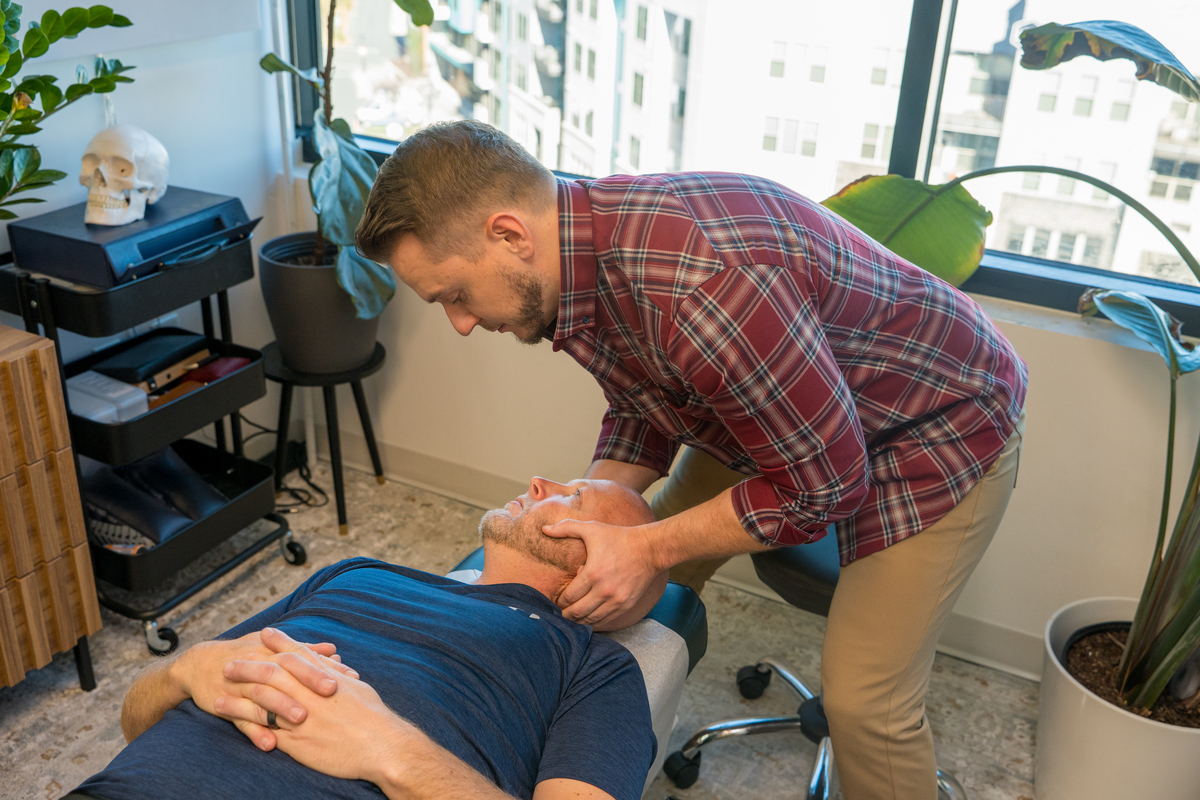
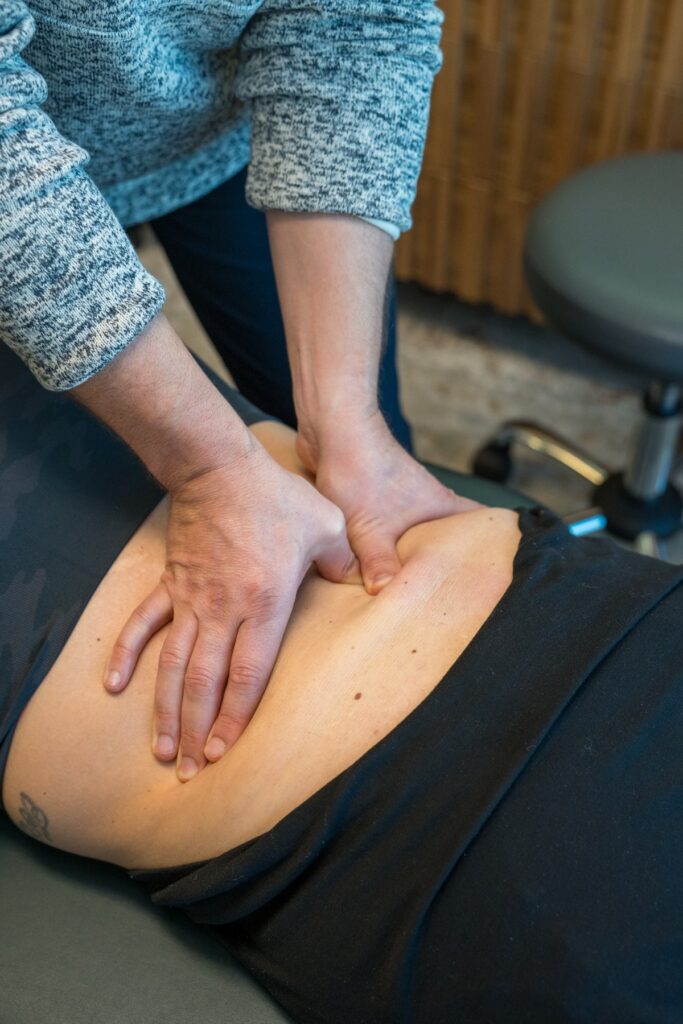
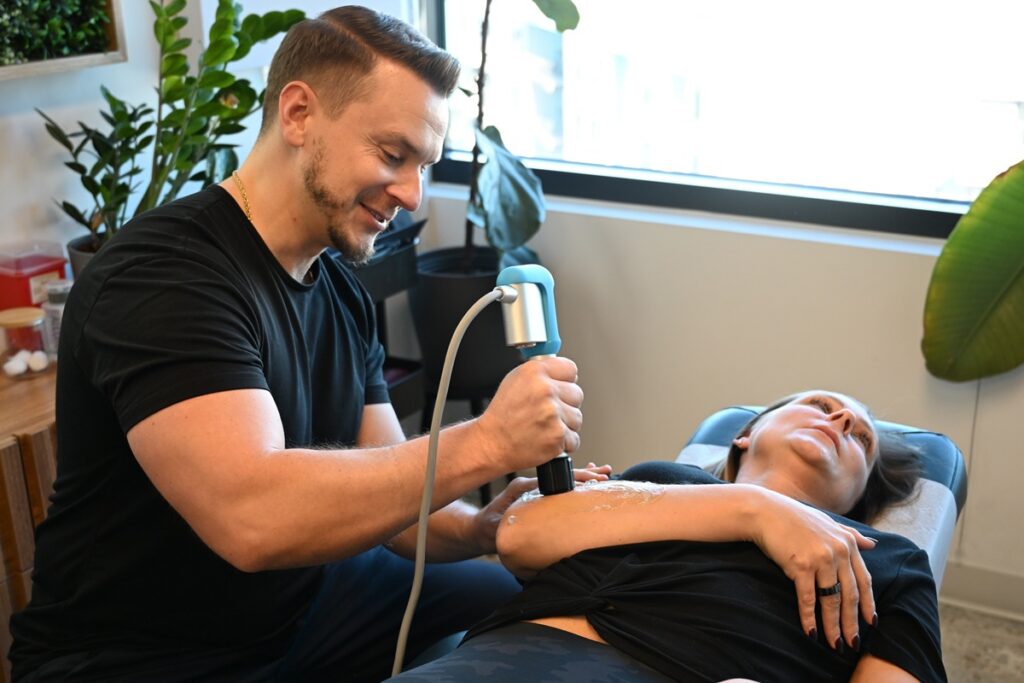
Beyond adjustments, chiropractic care often includes soft tissue work to address tight, overworked muscles, rehabilitative exercises to correct imbalances, and specific guidance on posture and ergonomics tailored to each patient’s daily life. At Feel Good Chiropractic And Wellness, the approach is individualized — because no two people move through their day in exactly the same way, and no two bodies respond to stress identically.
Dr. Jesse Czajka works with Charlotte patients across a wide range of lifestyles, from desk workers and students to active adults and parents juggling the physical demands of family life. The common thread is that most people are dealing with wear and tear from the movements they repeat the most — and understanding those patterns is where lasting relief often begins.
Practical Tips to Protect Your Body Every Day
You do not need to overhaul your entire life to reduce the cumulative stress on your joints. Small, consistent changes made over time can have a significant protective effect.
Raise your screen to eye level. Whether you are working at a computer or scrolling your phone, keeping your screen at eye level dramatically reduces the forward head posture that strains your cervical spine. Even using a simple phone stand or laptop riser can make a meaningful difference throughout the day.
Move every 30 to 45 minutes. Sustained static postures — whether sitting or standing — are more damaging than movement itself. Setting a timer to stand, walk, or gently stretch every half hour gives your joints and discs the variety they need to stay healthy and well-nourished.
Use both sides of your body more equally. Alternate which shoulder you carry your bag on. Switch the hand you use for your mouse periodically. Try to become aware of habitual one-sided postures so you can balance them out throughout the day.
Sleep on your back or side. Side sleeping with a pillow between your knees or back sleeping with a pillow under your knees keeps your spine in a more neutral position throughout the night. Stomach sleeping, while comfortable for some, places your neck in a prolonged rotated position that can compound cervical wear over time.
Engage your core before lifting — even for small things. You do not need a perfect deadlift technique to pick up a coffee cup, but developing the habit of a light brace through your core before bending or reaching protects the passive structures of your spine from absorbing unnecessary stress.
When to See a Chiropractor
Many people wait until pain is severe or significantly limiting before seeking care. But chiropractic is particularly effective when movement issues are addressed early, before significant structural changes have had time to develop. If you notice stiffness that takes more than a few minutes to ease in the morning, recurring aches in your neck, mid-back, or low back that come and go, or reduced range of motion in any area of your spine, these are worthwhile reasons to have your movement and posture evaluated.
If you experience symptoms like sharp, shooting pain down an arm or leg, numbness or tingling in your hands or feet, sudden loss of strength in a limb, or any loss of bladder or bowel control, these warrant prompt medical evaluation to rule out serious nerve compression or other urgent conditions. Chiropractors are trained to recognize these red flags and refer patients appropriately when needed.
For the majority of people, everyday wear and tear exists in the middle ground — it is not an emergency, but it is not something to dismiss either. Proactive care from a trusted provider like Dr. Jesse Czajka at Feel Good Chiropractic And Wellness in Charlotte, NC can help you stay ahead of the curve.
Movement Habits: High-Risk vs. Spine-Friendly Alternatives
|
High-Risk Habit |
Why It Causes Wear and Tear |
Spine-Friendly Alternative |
|---|---|---|
|
Looking down at your phone for extended periods |
Dramatically increases compressive load on cervical discs |
Raise your phone to eye level; use a stand when possible |
|
Sitting with a rounded lower back |
Increases intradiscal pressure and strains posterior ligaments |
Use lumbar support; maintain a gentle natural curve when seated |
|
Carrying a bag on the same shoulder daily |
Creates spinal imbalance and uneven disc loading |
Alternate shoulders or use a backpack with two straps |
|
Reaching and twisting without core engagement |
Places rotational stress on discs without muscular protection |
Move your whole body toward the object; brace lightly first |
|
Stomach sleeping |
Forces prolonged cervical rotation, straining joints and muscles |
Side or back sleeping with appropriate pillow support |
|
Sitting or standing static for hours |
Prevents disc rehydration and concentrates stress in one area |
Move, stretch, or change position every 30-45 minutes |
Myths vs. Facts About Daily Wear and Tear
Myth: Joint pain and stiffness are just a normal part of aging.
Fact: While some changes in joint tissue do occur with age, significant pain and dysfunction are not inevitable. Many people develop premature wear and tear due to correctable movement habits rather than age itself. Addressing those habits — at any stage of life — can slow the process and meaningfully improve how you feel.
Myth: If it doesn’t hurt, it’s not causing damage.
Fact: Wear and tear is often a painless process until a threshold is crossed. Cartilage has no nerve supply of its own, which means it can degrade quietly for years before symptoms appear. By the time pain arrives, the underlying changes may already be well established. This is one reason why preventive care and movement awareness matter so much.
Myth: Chiropractic care is only for back and neck pain after an injury.
Fact: Chiropractic care is effective for a wide range of musculoskeletal conditions, including those driven by cumulative stress and postural imbalance. Many patients at Feel Good Chiropractic And Wellness in Charlotte come in not because of a single injury, but because they want to move better, feel less stiff, and protect their joints proactively.
Myth: You should rest completely when you have joint pain.
Fact: Complete rest is rarely the best approach for musculoskeletal discomfort. Gentle, appropriate movement is generally beneficial for joint health because it promotes circulation, prevents stiffness, and supports disc nutrition. The key is identifying the right type and amount of movement — something a chiropractor can help guide you through.
Myth: Ergonomic equipment alone solves posture problems.
Fact: A standing desk or ergonomic chair is only as effective as the habits you pair with it. If you stand at your standing desk in a slouched position for hours without moving, you are simply distributing the same stress differently. Equipment supports good habits — it does not replace them.
Final Thoughts from Feel Good Chiropractic And Wellness
Your body is incredibly adaptable, and the movements that are quietly wearing it down are also the ones you have the most control over. That is genuinely encouraging news. You do not have to live with the slow accumulation of stiffness and discomfort as if it were unavoidable. By becoming more aware of how you sit, stand, sleep, and carry yourself through each day, you give your joints and spine a real fighting chance.
Here in Charlotte, NC, we at Feel Good Chiropractic And Wellness are deeply committed to helping the local community understand their bodies better, not just when something goes wrong, but as an ongoing part of living well. Dr. Jesse Czajka brings a thorough, caring approach to every patient evaluation, helping identify the movement patterns and postural habits that may be quietly working against you.
Whether you are already noticing signs of wear and tear or simply want to be proactive about your long-term joint health, you are always welcome to come in for a conversation. Taking that first step toward understanding how you move is one of the best investments you can make in how you feel for years to come.
Frequently Asked Questions
Can everyday movements really cause long-term joint damage?
Yes. Repeated mechanical stress in one-dimensional patterns — like sustained forward head posture or prolonged slouched sitting — can gradually degrade cartilage, compress spinal discs, and create muscle imbalances that alter joint mechanics over time. The cumulative effect of small stressors often exceeds that of occasional large ones.
How do I know if my daily habits are causing wear and tear?
Common signs include morning stiffness that takes time to ease, recurring aches in the neck or low back that improve with movement, and reduced flexibility in areas you use frequently. A chiropractic evaluation can help identify specific postural and movement patterns contributing to your symptoms.
Is chiropractic care safe for ongoing, long-term use?
Chiropractic care is widely considered safe for most people when provided by a licensed professional. Many patients choose to continue with periodic maintenance visits even after their initial symptoms resolve, as a way to support joint mobility and catch new patterns before they become problematic.
How long does it take to notice improvement after starting chiropractic care?
Response times vary based on the severity and duration of the issue, as well as how consistently lifestyle habits are addressed alongside care. Some patients notice changes within a few visits, while others with longer-standing issues take more time. Dr. Jesse Czajka at Feel Good Chiropractic And Wellness will help set realistic expectations based on your individual situation.
Can children and young adults experience wear and tear from these habits?
Absolutely. Increasing screen use, heavy backpacks, and sedentary routines mean that younger people are experiencing postural stress and early spinal changes at unprecedented rates. Addressing these habits early in life is one of the best ways to prevent more significant problems later on.
Do I need imaging like X-rays or MRI before seeing a chiropractor?
Not necessarily. In many cases, a thorough history and physical examination are sufficient to begin care. If imaging is clinically necessary based on your symptoms or history, Dr. Jesse Czajka will discuss it with you and refer you out for it.
TL;DR — Key Takeaways
-
Most spinal and joint wear and tear is caused not by dramatic injuries but by repetitive, everyday movements like looking down at phones, sitting with a rounded back, and carrying weight on one side.
-
Cartilage and spinal discs depend on varied movement to stay healthy — sustained static postures and one-dimensional loading patterns accelerate degeneration over time.
-
Small habit changes — raising screens to eye level, moving every 30-45 minutes, and sleeping in a neutral position — can meaningfully reduce cumulative mechanical stress.
-
Chiropractic care addresses both symptoms and the underlying movement patterns contributing to wear and tear, offering a non-invasive, drug-free approach to long-term joint health.
-
If you are in the Charlotte, NC area and want to understand how your daily habits may be affecting your spine and joints, Dr. Jesse Czajka at Feel Good Chiropractic And Wellness is here to help.