

If you’ve recently been in a car accident — even a minor one — you may be wondering whether your aches and pains are serious enough to warrant professional care. Maybe you felt fine right after the crash, but a day or two later you noticed stiffness in your neck, a dull throb in your lower back, or headaches that won’t quit. That’s incredibly common, and you’re not alone. Here in Charlotte, NC, many patients come through the doors of Feel Good Chiropractic And Wellness saying exactly the same thing: “I thought I was okay at first.” The question most people ask is a simple but important one — how long after a car accident should you see a chiropractor? The answer might surprise you, and understanding it could make a real difference in your recovery.
How Long After a Car Accident Should You See a Chiropractor?
Ideally, you should see a chiropractor within 72 hours of a car accident — even if you feel okay. Many accident-related injuries, particularly soft tissue injuries like whiplash, don’t produce noticeable symptoms right away. The sooner you’re evaluated, the better your chances of catching and addressing those injuries before they become chronic problems.
-
Chiropractic Care vs. Doing Nothing: What the Difference Looks Like
-
Myths vs. Facts About Chiropractic Care After a Car Accident
Why Timing Matters After an Auto Accident
The moments after a car accident can be overwhelming. Between exchanging insurance information, dealing with adrenaline, and managing the shock of the whole situation, your body’s physical response is often the last thing on your mind. But here’s what most people don’t realize: adrenaline and other stress hormones released during a crash can actually mask pain signals for hours — sometimes days — after the impact.
This is one of the main reasons why timing is so critical. When you seek chiropractic evaluation promptly — ideally within 72 hours — you give a trained professional the opportunity to assess the full extent of any musculoskeletal injury before inflammation, scar tissue, or compensatory movement patterns have a chance to set in. Early intervention has been widely associated with better outcomes for soft tissue injuries, and getting evaluated sooner rather than later simply gives you more options.
There’s also a practical, legal dimension to consider. In North Carolina, documenting your injuries close in time to the accident strengthens any potential insurance claim or personal injury case. Waiting too long to seek care can create gaps in documentation that complicate your ability to connect your injuries to the accident. Dr. Jesse Czajka and the team at Feel Good Chiropractic And Wellness in Charlotte, NC understand the full picture — from your physical well-being to the documentation that supports your case.
Why Symptoms Are Often Delayed After a Car Accident
One of the most misunderstood aspects of auto accident injuries is that the absence of immediate pain does not mean the absence of injury. Soft tissue injuries — damage to muscles, tendons, and ligaments — are notorious for delayed onset symptoms. Whiplash is the most common example. The sudden back-and-forth motion of the neck during a rear-end collision can strain or tear soft tissues that don’t become inflamed and painful until 24 to 72 hours after the accident.
Your nervous system plays a role here as well. During a traumatic event, the body’s stress response can suppress the perception of pain temporarily. The brain essentially prioritizes survival over comfort. Once that acute stress response fades, the nervous system “catches up,” and that’s when patients often start feeling soreness, stiffness, headaches, or pain radiating down their arms or legs.
Inflammation also takes time to develop. Microtrauma to soft tissues triggers a cascade of inflammatory responses that build gradually over the first few days. By the time you feel it, the injury process has already been underway for a while. This is why many patients here in Charlotte come to see Dr. Jesse Czajka feeling confused — they felt fine after the accident, went home, slept on it, and woke up barely able to turn their head.
There’s also a phenomenon sometimes called “pain normalization,” where patients assume their discomfort is just a normal part of the accident aftermath and will resolve on its own. Sometimes it does. But often, untreated soft tissue injuries progress into chronic pain conditions that are significantly harder to address months or years down the road.
Common Car Accident Injuries Chiropractors Address
Chiropractic care is particularly well-suited to the types of injuries that commonly result from car accidents. These are typically musculoskeletal in nature, affecting the spine, surrounding muscles, and the nerve pathways that run through the spinal column. Understanding what you might be dealing with helps demystify the recovery process.
Whiplash is the most frequently seen auto accident injury in chiropractic practice. It occurs when the neck is forced into a rapid, uncontrolled motion — most commonly in rear-end collisions. Symptoms include neck pain and stiffness, headaches originating at the base of the skull, shoulder and upper back discomfort, and sometimes cognitive fogginess or fatigue. Whiplash can range from mild to severe, and early chiropractic evaluation helps establish baseline function so treatment can be appropriately tailored.
Lumbar sprains and strains are also very common, particularly in moderate or high-speed collisions. The force of impact can compress the lumbar spine, irritate intervertebral discs, or strain the muscles that support the lower back. Patients often describe this as a deep ache or tightness in the lower back that worsens with sitting or standing for extended periods.
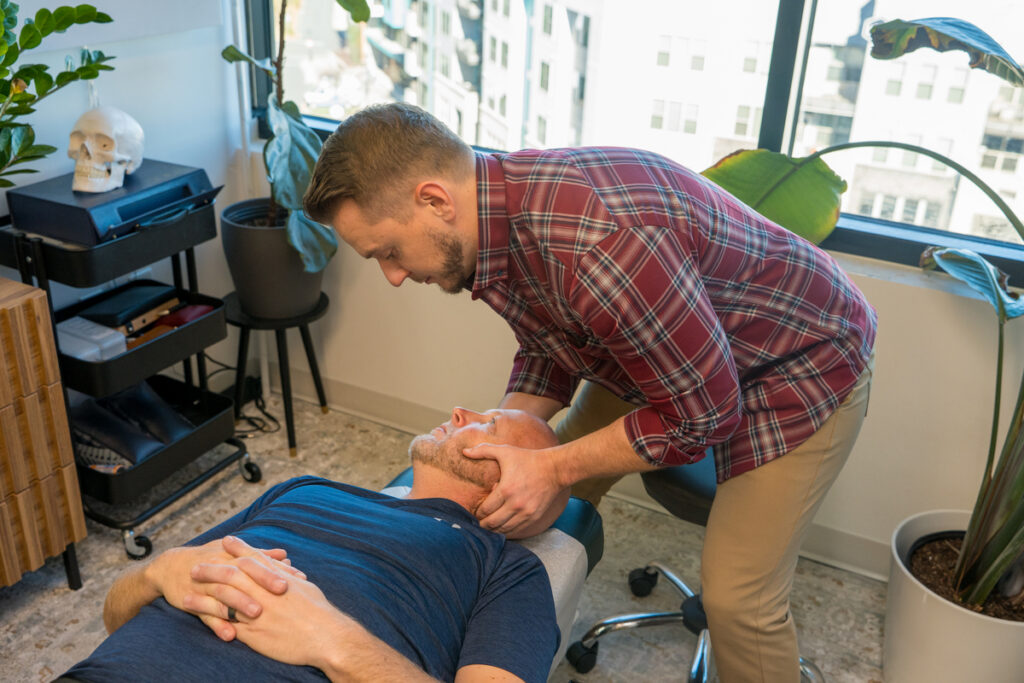
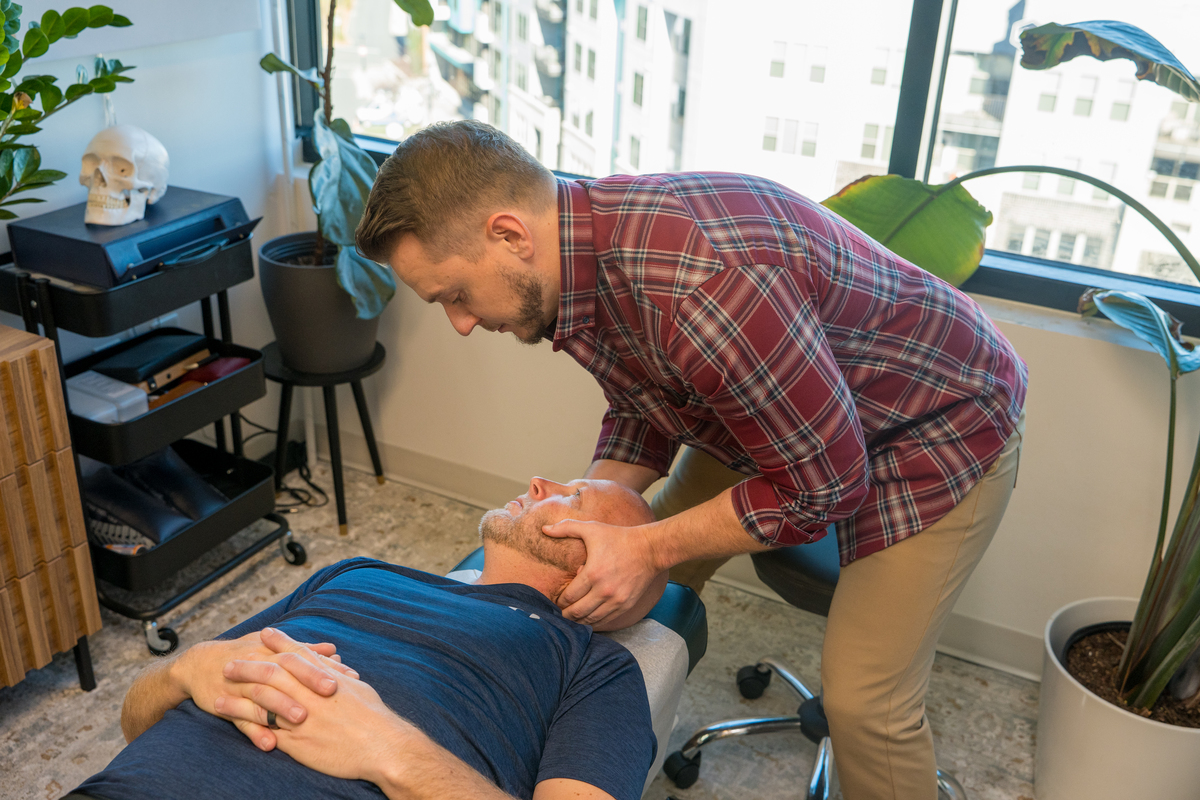
Thoracic spine injuries, midback pain, rib discomfort from seatbelt tension, and shoulder injuries are also frequently seen after accidents. Even minor fender-benders can jostle the spine enough to create joint dysfunction — what chiropractors refer to as a subluxation — that interferes with proper nerve signaling and movement patterns. At Feel Good Chiropractic And Wellness, Dr. Jesse Czajka conducts a thorough evaluation to assess the full range of potential injury, not just the area where you feel pain most acutely.
How Chiropractic Care Can Help After a Car Accident
Chiropractic care offers a non-invasive, drug-free approach to recovering from auto accident injuries. Rather than masking symptoms with medication, chiropractic treatment aims to address the underlying structural and neurological factors that are causing pain and limiting function. Research published by organizations like the National Center for Complementary and Integrative Health (NCCIH) suggests that spinal manipulation can be effective in managing acute and subacute musculoskeletal pain, which is exactly what most accident victims are dealing with.
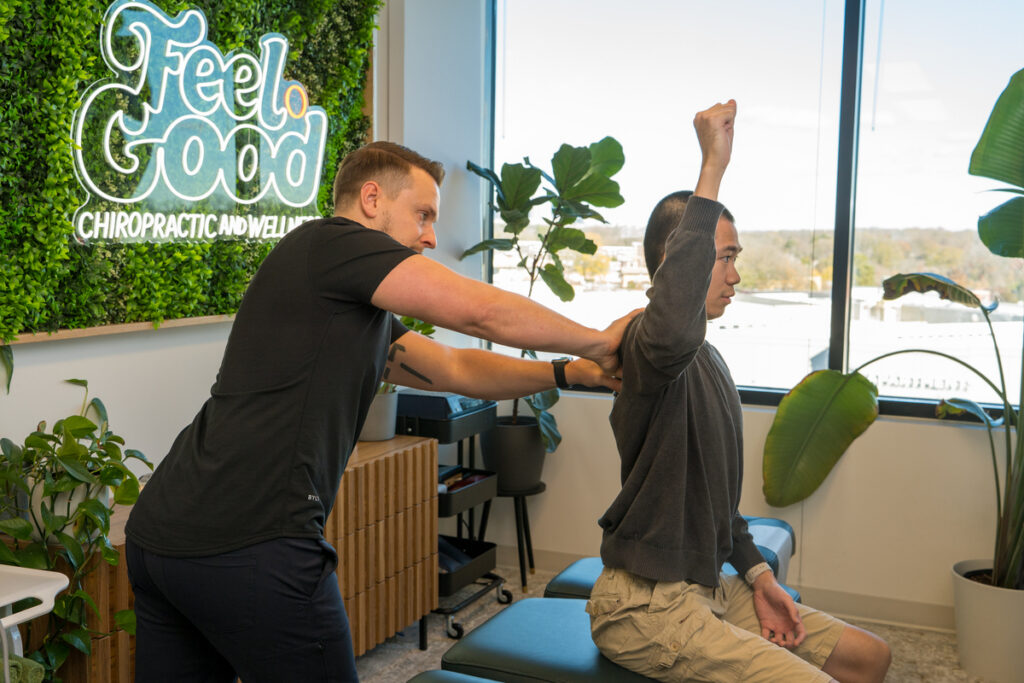
A chiropractic evaluation after a car accident typically begins with a detailed health history and injury report, followed by a physical and orthopedic examination. Dr. Jesse Czajka may assess your posture, range of motion, neurological function, and areas of tenderness or muscle guarding. In some cases, imaging may be recommended to rule out fractures or disc herniations before any hands-on care begins.
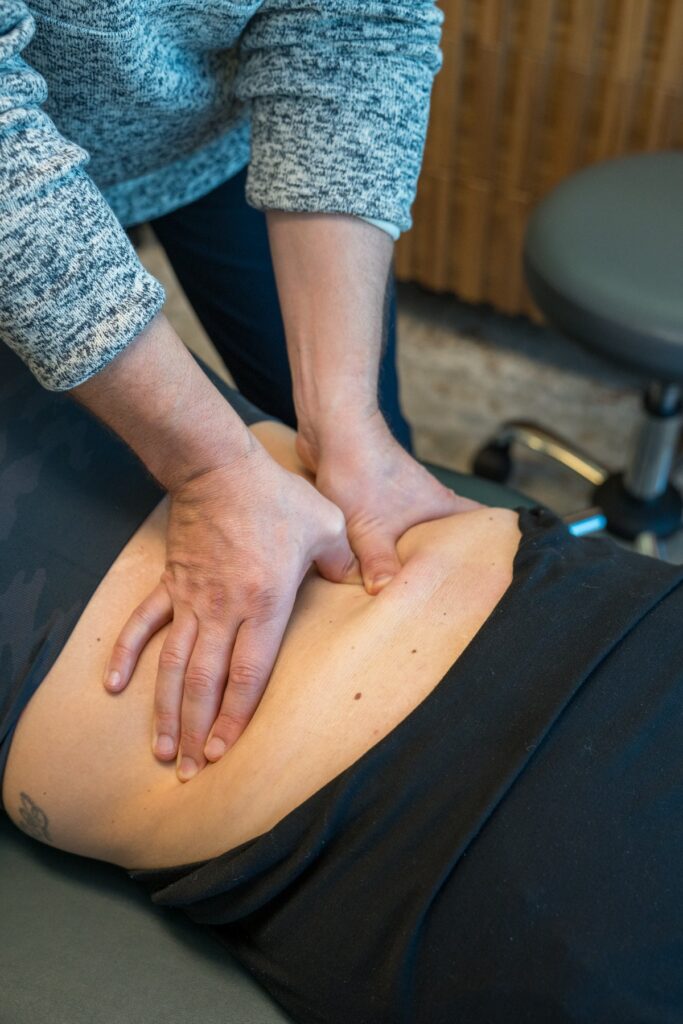
Chiropractic adjustments — also called spinal manipulations — are gentle, controlled movements applied to specific joints to restore proper alignment and mobility. For accident patients, this can help reduce inflammation, alleviate nerve irritation, and break up early-stage scar tissue before it becomes rigid. Many patients report meaningful improvements in pain and mobility within the first several visits, though individual results vary based on the nature and severity of the injury.
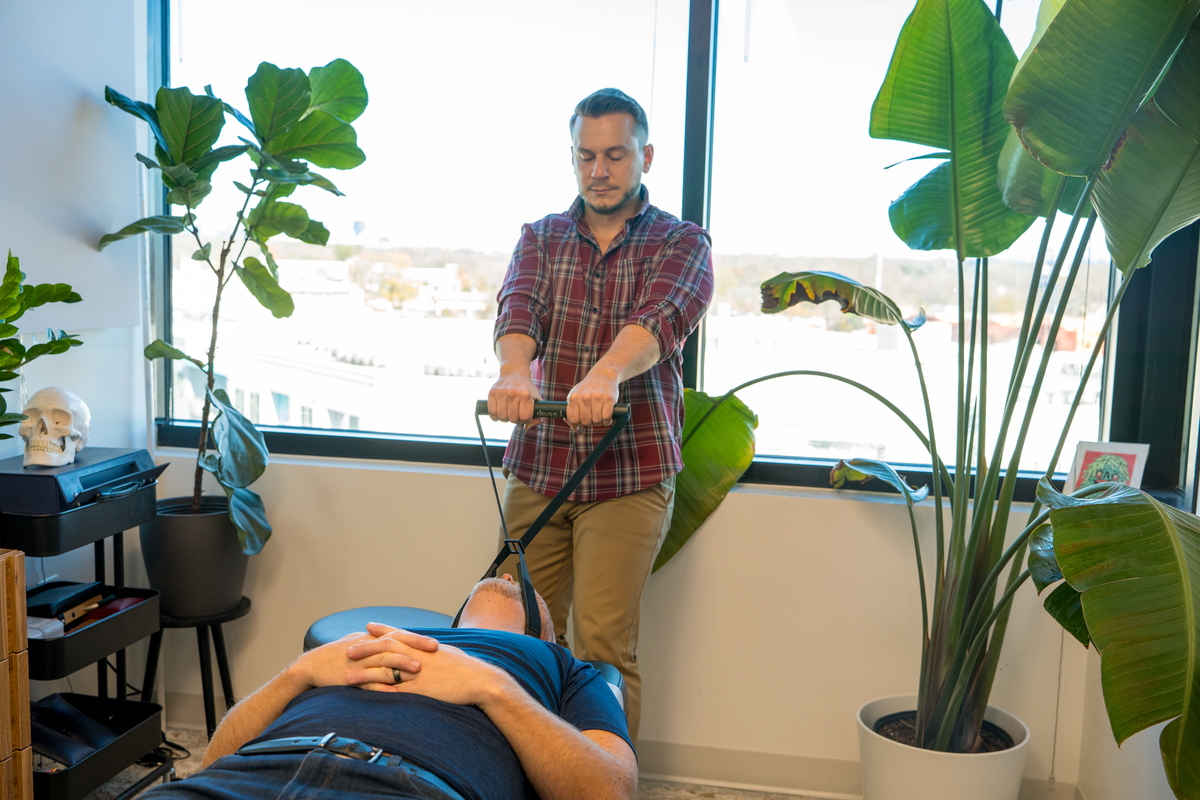
Beyond adjustments, care at Feel Good Chiropractic And Wellness in Charlotte, NC may incorporate soft tissue therapies, rehabilitative exercises, and guidance on posture and movement to support your recovery from the inside out. The goal is always to restore your body’s function and reduce the likelihood of long-term chronic pain — not just to get you feeling better temporarily.
Practical Steps to Take After a Car Accident
Beyond seeking chiropractic care promptly, there are several practical steps that can help protect both your health and your recovery process after an auto accident. The first and most important is to seek emergency medical attention if you have any signs of serious injury — head trauma, loss of consciousness, chest pain, severe bleeding, or limb weakness. These situations require immediate emergency evaluation, not a chiropractic visit.
Once you’ve been cleared of emergent medical concerns, document everything about how you feel. Keep a daily journal of your symptoms — what hurts, when it hurts, how it affects your daily activities. Note changes in your sleep, your mood, your ability to work, and your ability to perform simple tasks like driving or looking over your shoulder. This kind of documentation becomes extremely valuable both for your care team and for any insurance-related processes.
Try to avoid aggressive self-treatment in the early days after an accident. Ice can be helpful to manage acute inflammation in the first 48 hours, but avoid heat in the early phase. Resist the urge to “push through” pain with exercise, and avoid making any major ergonomic changes (like buying a new mattress or pillow) until you’ve had a professional assessment. What your body needs most right away is rest, gentle movement, and expert guidance — all of which Dr. Jesse Czajka and the Feel Good Chiropractic And Wellness team are here to provide.
When to See a Chiropractor — And When to Go to the ER
As a general rule, if you’ve been in any kind of car accident — even a low-speed fender-bender — it’s worth getting a chiropractic evaluation within 72 hours. This is especially true if you’re experiencing neck stiffness, headaches, back pain, shoulder pain, or numbness and tingling in your arms or legs. Even mild symptoms can be the early signs of an injury that benefits from early attention.
You should also see a chiropractor sooner rather than later if your symptoms are interfering with sleep, work, or daily activities. The longer a musculoskeletal injury goes unaddressed, the more opportunity there is for surrounding muscles to tighten in compensation, for inflammation to become chronic, and for scar tissue to restrict your range of motion long-term.
That said, there are situations where chiropractic care is not the right first step. Go directly to an emergency room if you experience any of the following after an accident: loss of consciousness, severe or worsening headache, confusion or memory problems, significant neck pain with weakness in your arms or legs, chest pain or difficulty breathing, or visible deformity. These signs could indicate serious neurological or structural injury that requires emergency imaging and medical management. Once emergency conditions are ruled out, chiropractic care is often an excellent complement to your recovery.
Chiropractic Care vs. Doing Nothing: What the Difference Looks Like
|
Factor |
Seeking Chiropractic Care Early |
Waiting or Doing Nothing |
|---|---|---|
|
Injury Documentation |
Injuries recorded close in time to accident, supporting insurance and legal claims |
Gaps in documentation may weaken your case |
|
Inflammation Management |
Early intervention may reduce the severity and duration of inflammation |
Unchecked inflammation can lead to chronic pain and stiffness |
|
Scar Tissue Formation |
Chiropractic treatment may help minimize restrictive scar tissue in soft tissues |
Untreated injuries are more prone to disorganized scar tissue formation |
|
Recovery Timeline |
Early care is generally associated with faster, more complete recovery |
Delayed care often correlates with longer recovery and potential chronicity |
|
Pain Management |
Non-invasive, drug-free approach to pain relief |
May rely more heavily on over-the-counter medications to manage symptoms |
|
Long-Term Function |
Goal-oriented care preserves range of motion and spinal health |
Untreated dysfunction may contribute to lasting mobility limitations |
Myths vs. Facts About Chiropractic Care After a Car Accident
Myth: “If I don’t feel pain right away, I wasn’t really injured.”
Fact: Delayed onset of symptoms is extremely common after car accidents due to adrenaline, the inflammatory process, and the nature of soft tissue injuries. The absence of immediate pain is not a reliable indicator that no injury occurred. Many significant whiplash injuries don’t present symptoms until 24 to 72 hours after the crash.
Myth: “Chiropractic care is only for back pain.”
Fact: Chiropractic care addresses the entire musculoskeletal and nervous system, not just the lower back. Chiropractors regularly treat neck injuries, shoulder dysfunction, headaches, thoracic spine problems, and more — all of which are common outcomes of auto accidents.
Myth: “I should wait until the pain gets really bad before seeing a chiropractor.”
Fact: Waiting for pain to escalate before seeking care is one of the most common mistakes accident victims make. Early evaluation and treatment generally lead to better outcomes. Letting an injury progress without attention can allow dysfunction to become more entrenched and harder to resolve.
Myth: “Chiropractic adjustments aren’t safe after an accident.”
Fact: A thorough examination — including assessment for contraindications and, when appropriate, imaging — is performed before any chiropractic treatment begins. Chiropractors are trained to identify when adjustment is appropriate and to modify their approach based on the nature and severity of a patient’s injuries. The American Chiropractic Association recognizes chiropractic care as a safe, conservative option for musculoskeletal injuries.
Myth: “Seeing a chiropractor after a car accident is just about getting documentation for a lawsuit.”
Fact: While proper documentation is a legitimate benefit of seeking timely care, the primary reason to see a chiropractor after an accident is your health. Identifying and treating injuries early protects your body from long-term consequences. Any documentation that results is simply an accurate record of real injuries being properly cared for.
Final Thoughts from Feel Good Chiropractic And Wellness
Recovering from a car accident can feel uncertain and stressful, especially when your symptoms seem to come and go or don’t match what you expected. The good news is that your body is remarkably capable of healing — and when given the right support at the right time, most people recover meaningfully and fully from accident-related musculoskeletal injuries.
Here in Charlotte, NC, the team at Feel Good Chiropractic And Wellness is committed to being the kind of resource you can turn to after an accident with confidence. Dr. Jesse Czajka takes the time to thoroughly evaluate each patient, explain what’s happening in plain language, and build a care plan that makes sense for your specific situation. There’s no one-size-fits-all answer to recovery — and that’s exactly why a personalized, professional evaluation matters so much.
If you or someone you know in the Charlotte area has recently been in a car accident, please don’t wait and wonder. Reach out to Feel Good Chiropractic And Wellness and get the answers and care you deserve. Early attention makes a real difference, and our team is here to help you feel good again — in every sense of the word.
Frequently Asked Questions
How soon after a car accident should I see a chiropractor?
The general recommendation is to see a chiropractor within 72 hours of an accident. This window is important for proper injury documentation and to begin addressing soft tissue injuries before inflammation and scar tissue become more established. If possible, sooner is better.
Can I see a chiropractor if I’ve already seen a medical doctor after my accident?
Absolutely. Chiropractic care and medical care often complement each other well after auto accidents. In fact, many primary care physicians recommend chiropractic evaluation for the musculoskeletal components of accident recovery, particularly for whiplash and back injuries.
Will my car insurance cover chiropractic care after an accident?
Many auto insurance policies include personal injury protection (PIP) or medical payments coverage that may apply to chiropractic care after an accident. Coverage details vary by policy and state, so it’s worth reviewing your policy or speaking with your insurance provider to understand your specific benefits.
How many chiropractic visits will I need after a car accident?
The number of visits depends on the nature and severity of your injuries, your overall health, and how your body responds to care. Dr. Jesse Czajka will assess your progress over time and adjust your care plan accordingly. There is no universal timeline — treatment is individualized to each patient.
What if my accident was minor — do I still need to see a chiropractor?
Even low-speed collisions can generate enough force to strain soft tissues, particularly in the neck and upper back. Research suggests that whiplash-type injuries can occur at speeds as low as 5-10 mph. A chiropractic evaluation after any accident, regardless of perceived severity, is a sensible precaution.
What should I bring to my first chiropractic appointment after a car accident?
It’s helpful to bring your accident report, any medical records from emergency care, your insurance information, and a list of your current symptoms. The more information Dr. Jesse Czajka and the Feel Good Chiropractic And Wellness team have, the better they can support your care and documentation needs.
TL;DR Summary
-
You should ideally see a chiropractor within 72 hours of a car accident, even if you feel fine right away.
-
Delayed symptoms are very common after accidents — adrenaline and the inflammatory process mean pain often doesn’t appear for 24-72 hours.
-
Early chiropractic care can help manage inflammation, prevent chronic pain, reduce scar tissue formation, and document your injuries properly.
-
Chiropractic care after an accident is a non-invasive, drug-free approach that addresses the root cause of musculoskeletal injuries, not just the symptoms.
-
If you’re in Charlotte, NC and have been in an accident, Dr. Jesse Czajka at Feel Good Chiropractic And Wellness can provide a thorough evaluation and personalized recovery plan.